Author: Rachelle Moore

  • Real Estate Photo Editors: Making your Photos Perfect

    Real Estate Photo Editors: Making your Photos Perfect

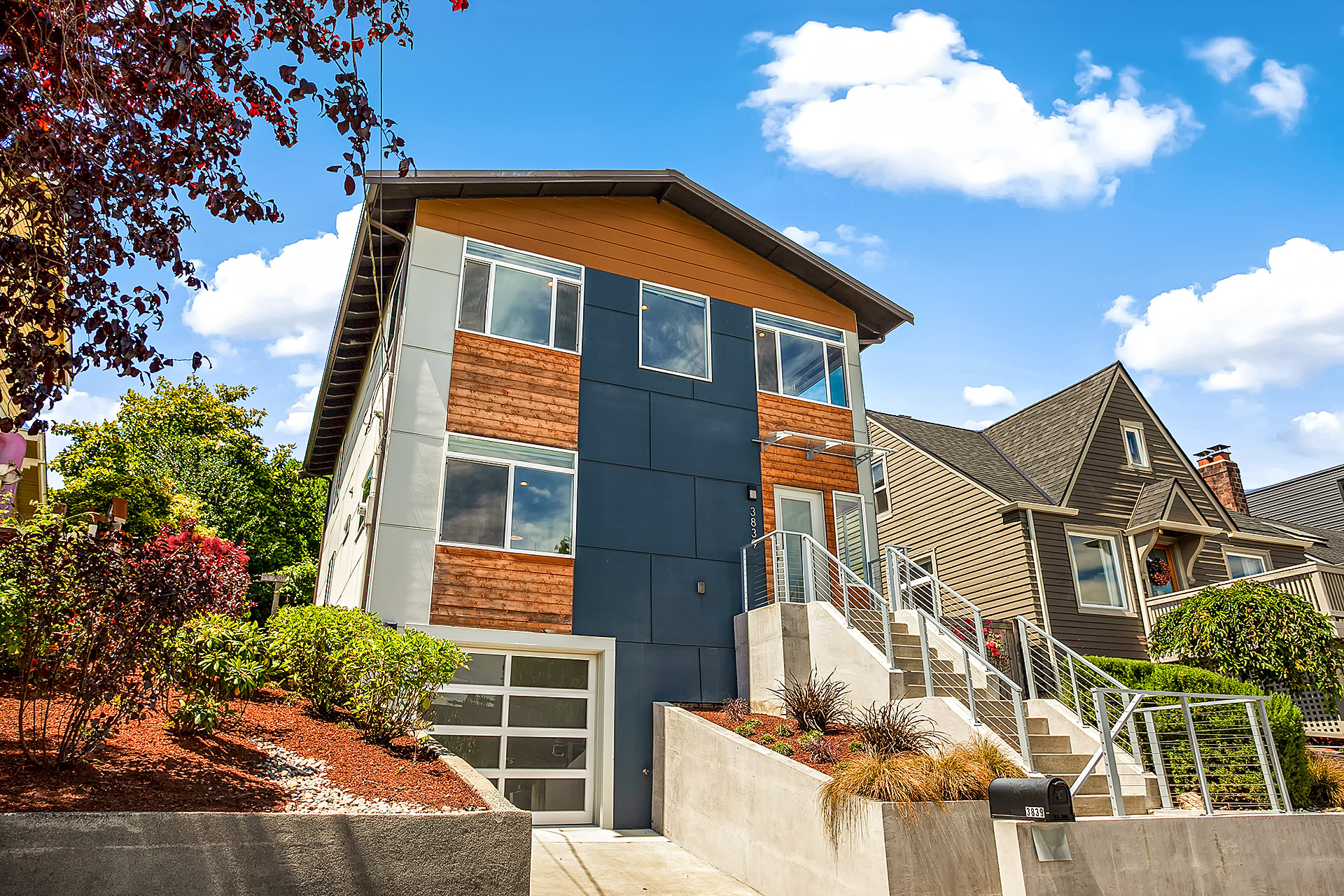
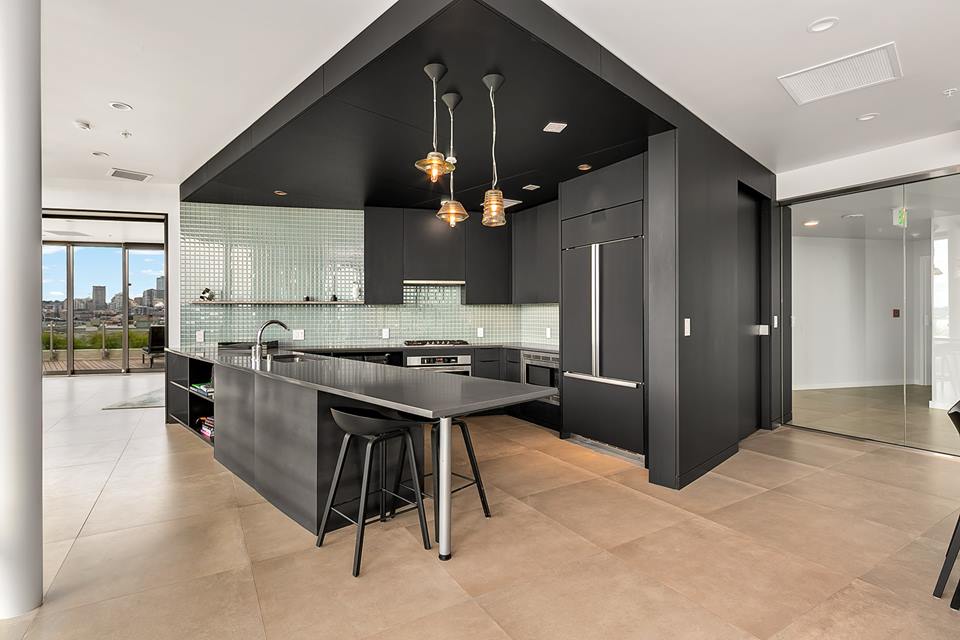
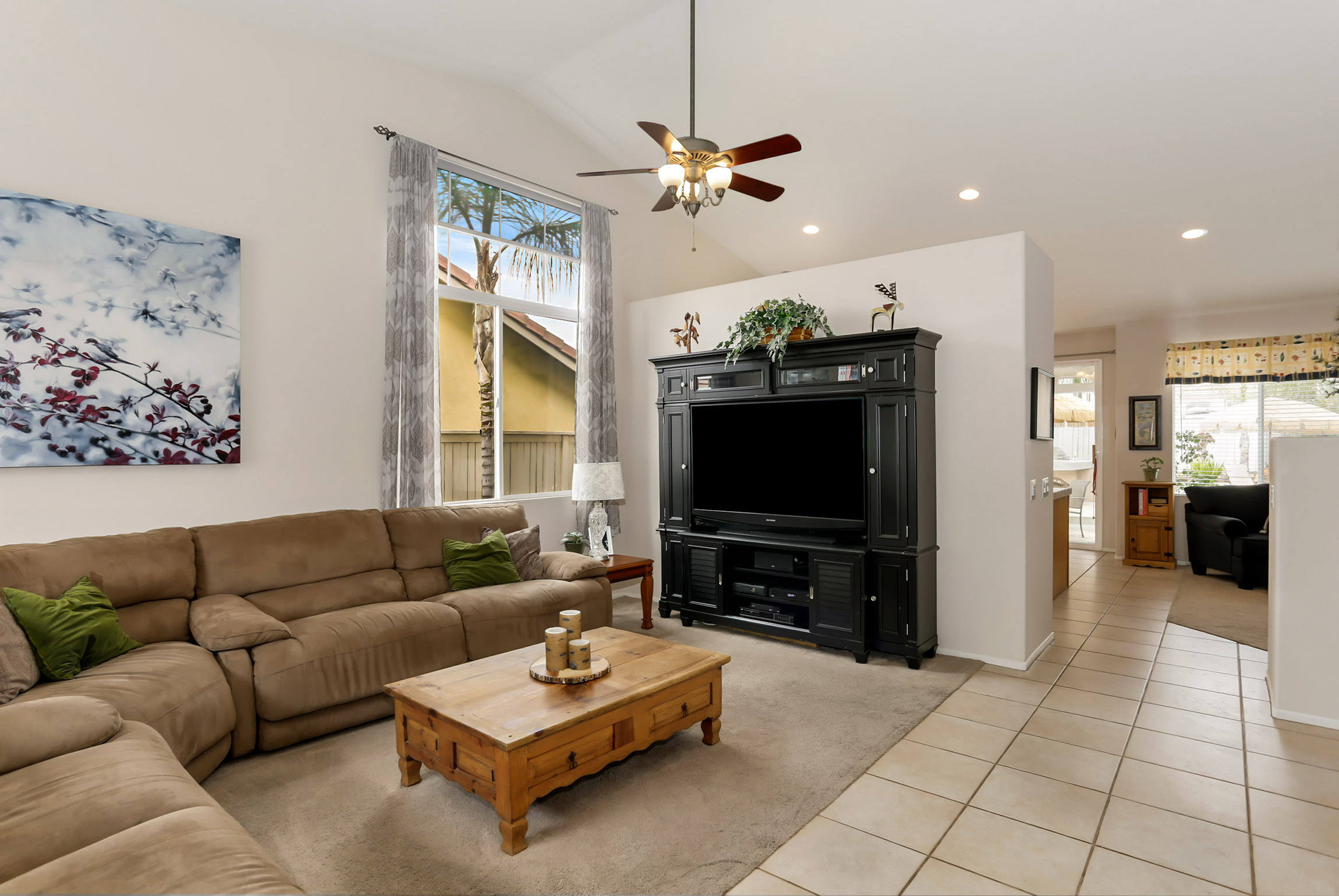
    It is familiar to everyone that a picture can paint a thousand words. In this way, it is imperative to create great photos to make the property look attractive. In the advancement of technology, everything can be made amazing and spectacular in the snap of a finger. This means that we technology can literally make unlimited and astounding photos that are enticing to buyers.

    Potential buyers wanted a vibrant photograph to refer to whenever they want to own a new property. They wanted a clear, crisp and cool images by referring to high-quality photos of the property they are interested in buying. Real estate photographs and videos are vital parts in the marketing and sales viewpoint.

    For these photos to be processed to its best quality, they needed to be improved. Enhancement of photos requires the services of the different photo-editing applications, tools, and techniques because this job is very critical in a real estate photography business. Furthermore, in the advent of the social media like Instagram, Tumblr and Flickr, photos and videos alike are greatly shared for business promotion.

    Photo-editing jobs today are commonly outsourced. There are many advantages of outsourcing someone to professionally edit and process a real estate photo. There are perhaps thousands of real estate photo editing companies that we can see online and they have the best equipment and the most skilled people to do the job.

    Reasons behind the Need of Professional Real Estate Photo Editors

    The creation of high-quality, saleable, stunning, and professionally-made photos is the primary goal for a real estate photographer. Below are the reasons why photo-editing is in demand these days.

    1. It saves you time

    real-estate photo-editing company
    photo via Capterra Blog

    Hiring a professional real-estate photo-editing company saves you the much-needed time for your other works. Exhausting most of your time editing photos to make them look good is not that advisable for a photographer because there are experts in this field that have a faster turnaround time to edit photos.

    Even if your photos would show that they only needed basic enhancement, tasks such as window masking, sky replacement, or object cropping not only double but triple your time doing these special tasks.

    2. Process the way you want

    One of the better reasons why there is always a need for professional photo editors is that they can enhance your photos the way you want. Photo editors are trained to specifically cater the needs of their clients. They have the capability to easily edit the photos and deliver them exactly the way you want. All they needed is thorough explanation and giving them the checklist of the parts of the photos you want to be edited.

    3. Photo editors are experts in their own field

    Since photo editors are experts in the use of photo-editing software, they know all the tricks and techniques behind making your photo look spectacular. These people are skilled in a way that they know the ins and out of the different editing software such as Photoshop and Adobe Lightroom. They are familiar of all the features and functionalities of these tools. The know-how of these photo editors will be their advantage to create an improved photo and deliver it in the most efficient way.

    4. Creation of profit

    With the help of the skilled and professional photo editors, your business can create more sales. Instead of spending much time in trying to improve your photos by your own, you can exert much of your time and effort in actual shooting real estate photos. The benefits of hiring an expert can expand your time closing out better deals and transactions. As photographer, you can also work on other business matters.

    5. High-quality image

    Because of the experience of professional and skilled photo editors, they can produce very high quality images because of the latest technology they possess. These people work all day long improving their skills in using different editing tools. The only thing their minds are set into is how to produce tons of quality images the best and quickest way possible.

    6. Gets you ahead of the competition

    Outsourcing your photo-editing experts from around the world will let you choose the best and highly-skilled person to do the job. In this way, you can have the edge that will help you get ahead of the over-saturated real estate photography business. While others are spending much in producing processed photos, it will be your advantage when you outsource editing jobs at a reasonable price. In this way, upon selecting the right person who will work for you for over a long period and minimize time looking for someone to entrust your photo-editing jobs, the distinct advantage of getting ahead of your competitors is enjoyed.

    7. Photography Website

    Digitization is the culprit why a website for real estate photography is important. This is not part of the gear you are bringing to the site. It is also not the equipment you are using during photo shoot but it is self-explanatory why one needs to have his own website. Having the right tools and equipment is essential it is also viable to have an online space in the Internet.

    Having an attractive website is what entices clients to visit it. Make it a point that the template you are using for your website will offer a correct and complete package for every individual visiting your website.

  • Edit your HDR Real Estate Photography the Quickest Way

    Edit your HDR Real Estate Photography the Quickest Way

    High Dynamic Range Photography or commonly called HDR in the world of photography is a procedure in which a photographer can replicate or even replace what a standard photography can offer. This technique makes use of illumination as the main concept of photography which creates different exposures. These exposures are blended together to develop a better shot than what the original photo shows.

    HDR is also used in real estate photography. There are moments when the photos taken are over-exposed which means some parts are brightly taken while there are dark parts somewhere. Many photographers make proper use of sunlight to avoid using lighting equipment. But in reality, sunlight exposure has its limitations. Time is of great importance when using sunlight as exposure source.

    In photography, sunlight is usually good when you are shooting outdoors. It would be very hard taking photos indoors. A good HDR photography must always be accompanied by different equipment common to photographers. He needs to have a remote trigger to minimize movement, a tripod to stabilize the shots taken, a flash for indoor shoots and a trusted software like Photoshop CC for easier real estate photo editing.

    Simple HDR Editing Guide

    According to this post, there are countless techniques that photographers can utilize in order to make editing touches. This is for the purpose of making the photos look better. It is always time-consuming to edit real estate photography and this huge amount of time you devote in editing is the most important time in the post-processing of the photos.

    According to appolicious, High Dynamic Range is the difference between the brightest and the darkest parts of photo. HDR Exposures Calculator on the other hand is an application where it automatically does the calculations to optimize the settings of the camera. This is a perfect tool to simplify the HDR feature of photography.

    Below are the HDR steps in editing real estate photos.

    • Turn off the flash of the camera, set to Aperture priority mode and switch the camera to metering mode. Metering is used to calculate the brightness of the real estate interiors and exteriors. This is responsible in maximizing the exposure of the shot taken by shutter speed adjustment.

    • By positioning the focal point over the brightest part of the scene to avoid sunlight reflection. This is the time that you can open the HDR Exposure Calculator and make sure of the shutter speeds is properly entered. By automating the HDR Exposure Calculator, you can optimize HDR automatically. Since photography is both technical and a confusing context of artistry, HDR is essential to maximize the potential of the technical aspect of editing.

    • After switching the camera to Manual mode and setting the Shutter Speed for the bracketed set, you have the option to use the AEB. HDR Interior Tutorial, you can see the Exposure Bracketing Setup page. You can even consult the manual of the equipment you are using.

    • Choose the Continuous Shooting and press the shutter button to get the first few sets of the bracketed photos. Make use of the bracketed sets by the HDR Exposure Calculator.

    • Make it a point to merge these photos once that the darkest part of the interior and brightest parts are determined using Photomatix Pro. You have the choice to open this app and click Browse and Load to choose the photos you wanted to merge. Then finally choose Merge Options.

    • Align the source image and Reduce noise on the Merge to HDR Options dialog. You can find the Preset thumbnails panel and select Architecture on top of the thumbnails. Select the preset thumbnails on the Preview Image. With the sliders on the left, you can click Next: Finish if you are pleased with the effects applied on the merged photos.

  • Real Estate Photoshop Retouching Guide for Newbies

    Real Estate Photoshop Retouching Guide for Newbies

    Being a real estate photographer entails lots of days of photo shoot not only as part of marketing purpose but also to perfecting the small details of some common mistakes. A photographer does not only consider the right time of day to create good shots. Other factors like right lighting and good angle are also important in developing good quality real estate photos.

    According to this post, the work of a photographer however is just a speck of the many tasks he does beyond the shoot. There are editing and retouching works that will take a lot of time to enhance real estate photography. These skills are essential to create magnificent photos for potential clients to become interested in the property you are offering.

    Photoshop Retouching Guides for Neophytes

    • Hue and Saturation

    hue and saturation

    Photoshop has many different options that you can play around with. Hue and Saturation is a great tool to correct colors. Adjusting greens is a common color error in real estate photography. You need to capture the dynamics of the exteriors that can be challenging to newbies.

    What you will do is choose Adjustment after selecting Image. Select Yellow afterwards from the drop down menu to adjust the Hue to +15 and Saturation to -5. You can also adjust the hue, saturation and lightness by selecting Green from the drop-down menu.

    • Adjust the Brightness

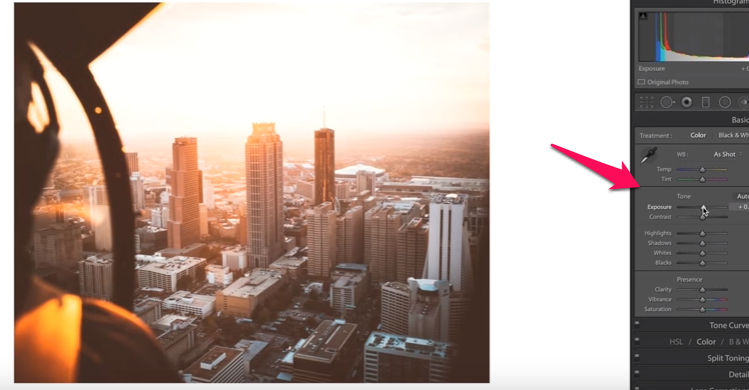
    brightness adjustment lightroom

    Getting balanced light is important when shooting exteriors especially when shooting under a direct sunlight. To balance light, edit the photo in Photoshop is the best solution so far. Opening the Image menu, choose Adjustments then click Levels. By dragging the center bar to the right tones down the overexposed areas.

    • Darken the Bright Grass Colors

    Garden is always a part of the exteriors of real estate photography. Seeing grass a bit bright definitely needs retouching. Going to the Toolbar, you need to click the Burn tool. Select the right size of the brush and drag over the brush to the grass afterwards to darken the area.

    • Adjust Curves

    According to InMan, Curves is a powerful Photoshop tool that is used for a color correction. Just open Image and Adjustments followed by Curves. After seeing the dialog window, click Auto. To brighten the curves, pull up the diagonal line at the center. To darken, pull it down otherwise. Click OK afterwards. You may also opt to use the eyedropper to choose for the black and white tones of the photo. Any slight difference will be corrected.

    • Straighten Property

    Straightening the home or property

    A straight line is always important in making the property look great. This happens when the camera is not angled properly. That is why diagonal and slant lines are visible. From http://54.201.150.30/real-estate-photography-using-photoshop/,you need to click on the Rectangular Marquee from the Toolbar and select the entire image. Click the Edit and Transform. From there, click the Skew from the drop-down menu.

    Drag the corner of the picture to the left if the property is leaning to the right. Make it a point that you need not to pull too far because this might be very unrealistic. Click the Check button after the edges are aligned and are all straight.

    • Lighting up the Corner

    interior editing using lightroom 3

    Lighting up the corners of the interiors of any property is always a challenge. It is always needed to even out the lighting of the interior because there are always situations when part of the photo is darker that the other part.

    To balance and even out lighting, go to Dodge tool. Select the right size of the brush to work with. To add brightness to the darker part, drag the Dodge tool over the darker area. You then need to go to Filter menu and select Sharpen and click on Unsharpen Mask. To get clearer and quality details, increase the amount then finally click OK.

  • Blending Exposures of Interior Photos using Photoshop

    Blending Exposures of Interior Photos using Photoshop

    The techniques in blending exposures using Photoshop’s Lightroom seem endless. These techniques will actually allow you to blend interior photos perfectly. They are also great in editing photos seen in any exposure blend.

    With the proper use of Photoshop CC of Adobe, you can easily blend interior designs under the city lights. The primary concern in this modification task is to develop the skills in the familiarization of Adobe Photoshop with the use of Raya Pro.

    Tips on How to Blend Exposures of Interior Photos

    This article is more about preparing for exposure blending than the actual exposure blending itself.


    video credit to Jimmy McIntyre
    1. Creating new photos from dark and overexposed highlights

    One basic technique when the photo is a little bit dark and some areas are partly exposed. You can immediately change the character of the picture with some few simple steps using Photoshop. When comparing the exposures of three identical photos with different exposure blends.

    They can be dark picture which covers the highlights, a normal picture with basic exposure, and a picture with brighter exposure that needs to bring back some of the shadows. One of the purposes of this tutorial article is to push the knowledge of any individual about exposure blending to the highest level.

    To start the editing process, select all the images and hold down SHIFT. Notice that the Open Images at the lower right of the screen changes to Open Objects. You need to press Open Objects and use the Stack button in Raya Pro. With the use of the Stack button, all the images will appear over the spaces below the panel.

    You can make adjustments and editing in your normal photo by retrieving some of the highlights included in your dark and bright photos. Especially for the photo to blend with the normal, it would be very hard at some point to do it.The main objective of this exposure blend is to avoid making the contrast look flat. To fix this problem, go to How to use Precision Masks and click AUTO BLEND DARK.

    There are instances wherein we need to have a very contrasting photo and the only way to do this is by clicking the value of your desire. The greater the value of the AUTO BLEND DARK, the darker the picture becomes. The resulting photo will highlight the parts that are overexposed.

    To compare the previous photo with the new one, press Select under Precision Masks and bring down the Capacity back. You can press the Thumbnail to make adjustment to the Exposure, Highlights and Contrast.

    After the correct adjustment has been made, just press OK and you will see the natural blend of the picture. You will notice that the critical parts in the image before exposure blend are very well edited after modifications were done. Make it sure that you will zoom in to check the picture before and after modification.

    2. Check the blend of contrast

    By clicking the Thumbnail that you want to edit, you need to zoom in and check every small detail of the picture. Check the contrast masks if they match your taste. Adjust it to your liking by pressing either the exposure or the contrasting buttons.

    There is also a better and quicker way to do contrasting masks without Raya Pro. You only need to select the thumbnail, press Image, Apply Image and Press OK afterwards.You need to do this few times to create a much contrasting masks.

    Or if you want to, you can make the dark image visible once again. Choose the actual mask itself by pressing the Command and L in the micro-control and you just can create a more contrasting mask while the Level control pops out.

    This is just a pretty easy task to do because you can actually invert the situation by pressing Image and selecting Apply image. This time around, you will be selecting the Invert, and press OK.This is done for the photos with brighter exposure. Once this is done, you will notice that you have created an inverted mask.If you are not happy and contented with the result, you need not to panic. There is the Adjustment button to press to and all you have to do is adjust the levels of exposure and highlights.

    For more tutorials, you may check this out.


    Good reads:

  • 13 Mysteries of Real Estate Photography that Few Only Know

    13 Mysteries of Real Estate Photography that Few Only Know

    Being a complete beginner in real estate photography is like a toddler attending his very first day in school. One of the requirements in this business is by using quality photos and this happens to be the big difference and great advantage. Many would say that they have read and heard about the tried and tested formulas in real estate photography but the real recommendation here is how to apply these formulas.

    Quality photos really matter in real estate.It helps people jumpstart their imagination that becomes a trigger to their emotions especially when they are in search of another place to stay. Majority of those home seekers will look for photos first and read property specifications before deciding to have an ocular trip. This is where quality photos become so important.

    Having the perfect equipment is the initial phase in this business. And everything boils down to four objects – the camera, lens, tripod, and flash. Every photographer does not need to spend much buying these things. Real estate photography is less demanding. Just use wide lenses, a camera with good ISO and sensitivity performance, a stable tripod and off-camera flash and wireless triggers.

    Real Estate Photography Mysteries

    There are so many mysteries with regard to real estate photography. Instead of hiring a professional photographer, you can do it on your own. This venture is not as challenging as rocket science. But the demand and money is there. It only takes effort to get where want to go. Spending time mastering photography skills is the only thing you need.

    Instead of hiring a skilled professional, why not consider the thirteen (13) mysteries of real estate photography listed below?

    1. Photo Editing from Day to Dusk Lighting

    There are countless ways to edit photos from day to dusk lighting. Dusk is the time of the day when photographers find it hard to get a perfect image of the property.

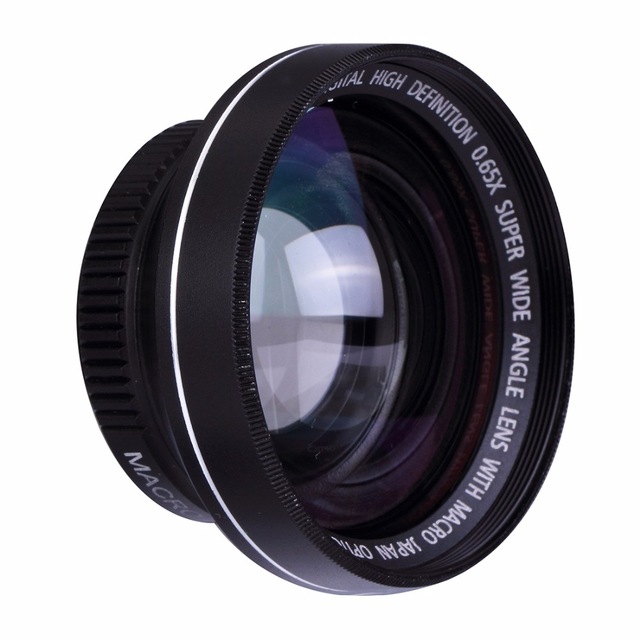
    2. Wide Angle Lens is a Good Investment

    The use of wide angle lens is important to get the best description of the space. It allows wider shots and this is what potential buyers are usually looking for.

    photo via AliExpress.com

    3. Maximize the Use of Tripod

    To get sharper image when shooting using natural light, the use of the tripod is all what you need. Most pictures taken with the use of tripod become appealing because it is better to use them rather than taking chances on steady hands. Tripods will let you shoot at slower shutter speeds.

    shooting using natural light
    Quote “Erin Spain, Home and DIY Blogger” http://ErinSpain.com

    4. Use Landscape Mode

    Although real estate photography is about choices and creativity, it is always better to decide all the necessities during a shoot – lenses to bring, angles to make, the depth using correct aperture and more. Since almost all real estates are taken as horizontal subjects, horizontal viewing is more preferred than the portrait mode.

    5. Prepare 3D Presentation

    Another great visual choice to present to potential buyers is 3D model. Most clients wanted to see a virtual tour of the property, not only on the property itself but they also wanted to look what surrounds the property. This should be a part of the many services that you offer them.

    6. Making Persuasive Videos

    Presenting traditional photos might be a brilliant way of presenting the rooms and other parts of the house. But with the advancement in technology, people wanted to include compelling videos as part of the service you offer.

    7. Make Emphasis of the Property’s Best Features

    One good trick for real estate photography is making emphasis of each location’s selling points. You can take pictures of the best features of every corner of a room, a kitchen and even the lawn, and show how spacious the place is.

    8. Prepare the Room for a Shooting Schedule

    This is one of the mysteries on hoe to sell properties quick. It is advisable to prepare all the rooms included for a photo shoot. It is always good to see clean areas as a preparation for your photo. Kitchen’s counter must be cleared of anything and free from dirt. Bathrooms, on the other hand, should have its toiletries hidden, being backed up by clean mirrors and any glass surfaces.

    9. Proper Timing at Dusk

    Timing is everything when it comes to real estate photography. It is either you, as photographer, create perfect timing, or anticipate it. When shooting the exteriors of a property, the so-called magic hour at dusk can yield dramatic results.

    10. Straighten the Distorted

    If you want to learn the real essence of real estate photography, do not end the photo at the shot. Most of the time, the human eye is very tricky. Make it sure that the real estate photos are well reviewed because there are architectural features, called the keystone effect, that occur unintentionally. Sometimes there are distorted lines that are being added to the photo, making tall lines appear bowed. All you need to do is consult Photoshop.

    11. Always Begin with the Preset Buttons

    Starting with preset editing buttons will make your photos professionally made. This is the key in producing quality real estate photos. When Photoshop’s Lightroom is properly used, it is noted that your real estate photos are crafted designs and styles that will give you the professional edge.

    12. Utilize the Capability of Modern Technology

    Aside from editing pictures using Photoshop, increase you real estate photography a notch higher. Drones are used to show the proper aerial view of the property. Moreover, it aesthetically shows the correct perspective and range of space that traditional photos cannot take.Hence, with the use of modern technology like drones, it creates a positive impact to potential buyers.

    13. Create Space by moving Furniture

    As a preparation for a photo shoot, shooting the interiors of the property is not as easy as everyone thinks. Aside from using the natural light and shooting in a RAW mode, you can shoot directly straight into the room. You can capture the real beauty of the room when furniture is moved from one place to another to create the space you desire. After which, you can now manipulate the aperture and the depth of field.

  • 4 Advance Photo Editing Techniques You Need To Know

    4 Advance Photo Editing Techniques You Need To Know

    A good real estate photo is a sum of various techniques in photography and post processing. While a beautiful property will definitely help, its success depends on the agent and what happens in front & behind the photographer’s lenses.  We have established the intricate processes every photo goes through to make it flawless, here we dish on 4  advance photo editing techniques to step up your career in real estate photography.

    Blending Layers

    When taking photos of a project, make sure to take an ample number to be able to make a composite. Composites are usually useful for interior shots, and what a professional photographer would do is to take varying flash shots of a room then blend it. Adobe Lightroom is a great tool that can help in blending layers. However, if you want to the colors to be more precise, it’s best to blend flash layers and fuse layers in Photoshop. To start, open all your images and make sure to include both ambient and flash photos. Ensure that all layers or layer sets that you want to merge are visible, then merge.

    Removing Hard Shadows

    If you don’t want to look like an amateur, it’s important to keep your photos looking neat and sharp. Thus, a hard shadow is unacceptable and should be removed. You can reduce shadows in two steps; first, you layer masks and second make use of your brush tool.

    In fact, brush tool is your new best friend. Set brush to 0% Hardness & 100% Opacity. If you want more control, you can lower the opacity. After setting up your brush, smoothen out the shadows.

    Color Replacement

    Even with the best lighting possible, sometimes raw photos don’t have the best color. The worst thing really is to have a flat-looking photo, other than manipulating hues and saturation, it’s a great advantage if you know how to use the color replacement brush. This technique is also useful in balancing out colors as well as correct color of your photo.

    In the photo above, notice how the wall color is slightly different than the original, replacing the color will remove any imbalances caused by for example window reflections or glare.  To select the color replacement tool, go to the regular brush tool, right click, then choose the color replacement tool from the fly-out menu.

    When choosing a replacement color, however, make sure to pick the nearest possible color from the original.


    Window Pool

    To get the most of your interior photo, it is important to check any exterior that can be seen from the inside. For example, in the photo above colors outside the window appear to be dull. To fix this, look for the lasso tool found in adobe photoshop and start cutting out the areas to be able to edit this specific area (see photo below) then adjust colors accordingly.


    There you have it! Photo editing really takes time and effort. If you don’t have ample time to post process your real estate photos, there are companies that offer photo editing services with the most sophisticated tools you can think of. Check out our final photo after applying the 4 techniques mentioned above!

  • Basic Exposure Settings for Real Estate Photograph

    Basic Exposure Settings for Real Estate Photograph

    It is very hard to take quality photos indoors. It is a big challenge to every real estate photographers. The most notable problems these photographers encounter is the use of lighting gear. Once you are not skilled and knowledgeable to this equipment, chances are glitches will frequently come your way. Nevertheless, when the skills are developed in the proper settings of the camera, shooting of professional quality photos will just be around the corner. The correct setting of the camera must be thoroughly practiced to succeed in this field.

    In the field of photography, there is always what we call duality. This duality refers to the light, and the other one is the subject. The light may be a broad term as it can be the use of natural light or the setting up of household lights. Using constant light will allow you to notice what adjustments are needed to the effects on the subject. This is a better way to understand lighting placement which will also benefit you when you are going to use flash.

    Photography Editing Techniques

    On the other hand, the subject of photography is where the story will revolve. Every photographer must know how the viewers will see his story on the subject. It is the feeling, emotion, poetry and pure science in general that will convey the message of the subject. Additionally, a simple photo can bring everything on the table including the creativity it underwent.

    Exposure stop is just one of the many confusing elements of a good photograph. There is what is commonly called the exposure triangle parameters which largely involve the technicalities of a camera. They are the shutter speed, aperture and the ISO sensitivity. This parameter correlates with each other in as far as capturing an image during the exposure to light is concerned.

    Two-Stop Rule in Real Estate Photography

    In this two-stop exposure rule, we will consider two basic things. These are the Ambient Exposure and the Flash Exposure. To do numerous interior shots, ISO 320 can be used as the best sensitivity piece. But there are questions that arise once interior real estate photography is being considered. Questions like, “How do I balance between ambient exposures?”, or “How do I know what to use with my lighting exposure?”These questions must be answered constructively to show the proper ways on how to deal with the exposure rule.

    Ambient vs. Flash in Real Estate Photography

    To perfectly use the ambient exposure, sensitivity starting point must be 320, aperture of f/6.3 at 1/10 of a second. At 1/10 second, a click is equivalent to 1/3 stop. The ratio at 1 full stop is 3 clicks. This is a good ambient shot to use which will give a good result.

    What is normally done in an ambient shot is to start at 1/6 sec at ambient exposure going to 1/25 sec flashed exposure with the use of the lights, increasing the exposure to 2-full stop.You can always refer to the Exposure of the Original Photo at the upper right hand corner of your screen. It is noticeable that the photo is not completely neutral with perfect blend of brightness. At 1/25 sec exposure, it gets rid of lots of ambient artifacts. Comparing the two shots, both of them delivered almost the same results.

    Upon comparing the two shots, it is then advisable to go at 1/40 sec exposure and the difference is now clearly seen.At 1/40th sec, it helped a little bit in the removal of glare in some parts of the area. But there are still spaces that are still dark, like the corners of the room. The best way to put brightness on that dark spot is to put some light and use 1/40 sec exposure and adjusting the exposure to -0.5.It would be sensible if you always monitor the graph at the right side corner and make it a point that the histogram is at equilibrium.

    Photo Repair for Real Estate Images

    After choosing what exposure is best for your shot, it is time to make some finishing touches using the Layers. What you must do is to look at the ambient shot first and hide it for a while.Once hidden, it must return to its original composition not considering the composite frame. This is the time to do the repair frame and fix some unnecessary spots. This process is done by dragging the repair frame. Go to Layer Mask and Hide All.

    Using Low flow Brush, you can then fix all the composites that are not important in the frame. Brushing has two purposes. One is the removal of the unimportant elements in the picture and second is the removal of glare. To remove the glare, turn Normal into Luminosity Mode to take away the ambient color of the picture and to basically to correct the color of the photo.

    This is the main idea behind the use of lights. It is desirable to use the Mask under Reveal All. Utilize the Low flow Brush time most especially to ceilings and windows to make all the colors natural. To conclude the exposure refurbishment, you need to change Normal to Darken mode and then the Layer Mask to Hide. Again with the use of the Brush, try to do the finishing touches at the outside area of the window to make everything look normal and fine-looking.

    For the final image to be really exciting to look at, it is always the idea of the photographer to which he thinks the viewer will be comfortable at with the use of the two-stop exposure – ambient and flash exposure. This is how the lighting makes a sweet spot of the photo which makes use of brightness and darkening of selected areas where it can be applicable.


    For more tips and tutorial videos, check this link.

  • 15 Lightroom Tips and Tricks

    15 Lightroom Tips and Tricks

    One of the most sought after editing applications is Adobe’s Photoshop. Because anybody can use Photoshop’s assortment of features even without the Internet, editing of different pictures can be done easily. This goes to show that you can take any editing works for as long as you want.

    One of the Best features of Adobe Photoshop is the Lightroom. With its Smart Previews, it makes the user reconnected to the computer anytime without connecting the hard drive. By design, it syncs anything that has been edited using the Smart Previews and these files can be then easily be handled without conceding the original version.

    Best Tricks that can be Used Everyday

    It is known to every photographer the different beneficial features Adobe’s Lightroom has in its arsenal. It is filled with numerous helpful attributes that can make every photographer’s life easier. But this is not exclusively for photographers only. Adobe Photoshop’s Lightroom is for everyone to enjoy – from people working at home, to students, to office workers, for everybody. Once you learn these features exist, you can edit photos as enjoying as look at them.

    Below are some of the tricks and tips on how to operate Lightroom effortlessly.

    1. Lightroom – a game of space

    Foremost, you need to go to the Library screen. This is the initial step where you can want to see sets of photos. Note that you will see a bar on top of the screen. The bar is deemed useless so it is better to get rid of it. If you want to import a photo and you want a specific library screen and you want to move to develop that particular shot, just hit the D button. This is the easiest way to move to the developed panel.

    2. Add a White Backdrop

    If you want to add a white backdrop or any color of preference, all you need to do is Right Click and you have all the options of assortment of colors to select from.

    whitebackdrop lightroom


    3. Straighten the Horizon

    This technique involves making the . Whenever you have a shot that shows uneven horizon, what most people do is go to Angle slider and select the proper angle that will straighten things up. Since this is time-consuming, all you need to do is hit the Command button for you to draw a level line across the photo. After dropping it, you will notice that the uneven horizon will automatically become straight.

    horizon of a photo straight


    4. Straighten Crop Orientation

    All photos oriented as landscape can be automatically changed by Lightroom to portrait by hitting the X Key and instantly, your cropped photo will turn into portrait.

    Straighten Crop Orientation


    5. Utilize Transform Tool

    Transform Tool is a feature in Lighthouse where it corrects distorted horizontal and vertical lines, and change the perspectives or anything that needs to be straightened. Scrolling down to Transform Tool, you can just choose whether it is vertical or horizontal lines that you want to be corrected. This is a perfect tool to make lines symmetrical to each other.

    Utilize Transform Tool

    6. Isolating Photos for Viewing

    To do photo isolation, it is just hitting the L Key twice and image will be back-dropped by a black screen. If you want to return back to the original photo, just click the L Key for the third time.

    Isolating Photos for Viewing


    7. Bringing Panels back to the Screen

    This feature is similar to photo isolation. Here you need to click the Develop module and you want to have your left side bar show its presets. You need to hit the Tab bar and the left side of the screen will show all its presets. To close both the left and right bar, just hit the Tab once again and the photo will be shown against the same background that you set.

    Bringing Panels back


    8. Making the

    This is done by going to the leftmost part of the bar. You need to click it and drag it to the right as far as you can go to make right module bigger. The reason for doing this is to fine-tune all the editing works you are going to make.

    Side Bar Bigger


    9. Slider Adjustment

    To make small adjustment to the sliders, all you need to do is to bring your curser to the slider and go to the Up and Down Arrow Key. If you want to make higher increments of adjustment, press Shift + Up and Down Arrow Key.

    Slider Adjustment


    10. Use the Brush Tools

    One way to speed up your work flow using the Brush is by hitting the Left or Right Bracket Key. To adjust the Feather, just press the Shift + Left or Right Bracket Key. Utilizing the Right Bracket will make the Feather bigger and smaller if otherwise.

    11. Copy settings

    This is done by right clicking the image and press Settings and go to Copy Settings. The main goal of this is to primarily copy whatever color set up of this picture and use it to other photos. This is done by copying all the presets of the current photo and the going to the photo these presets will be applied by pressing Paste Settings.

    12. Getting Rid of Specific Sections

    Removing features that are seldom used is to go directly to the module and right click the section you want to remove.

    Getting Rid of Specific Sections


    13. Sharpening the image

    Going to the Masking option under Sharpening, click the ALT/Option Keys of the keyboard and hold them down. This time, adjust manually the Masking slider. Anything that is black cannot be sharpened and anything that is white can be sharpened. This function eventually cuts the noise of the photo.

    14. Spot Removal Tool

    The purpose of this tool is to remove unwanted spots of the photo. You only need to drop a point from the area of consideration and hold down the Shift Key and a line is created that will remove all the spots of the photo that you want to remove.

    15. Video editing using Lightroom

    Under the Develop module, a “not supported” message will pop out. If you want to capture a particular frame of the video, edit this by clicking Sync in the bottom-right corner.

    If you want us to edit your photos contact Phixer right away.


    Video tutorial version below: Credit to Evan Ranft

  • 4 Basic Steps to Create a Stunning Real Estate Video

    4 Basic Steps to Create a Stunning Real Estate Video

    A real estate video is a great material to showcase a property, and if you’re planning to list one, this is one of the most effective ways to please your ever-changing, hard-to-please market. Real estate is as cut-throat as you expect it to be, especially with people getting busier and digital more than ever. A 2-minute video is enough for an interested buyer to get a feel of your home, just like they’re having a walk-through minus the hassle. However, not all videos are created equal.

    Real estate video editing—no matter how “common”—is pure talent, and an outcome depends on how good or not your video was created. Everyone may be able to cut or import music, but it takes creativity plus an immense amount of particularity & patience to make an impactful 2-min real estate video (or any kind of video for that matter). 

    To give you an idea, here’s a step by step process when creating a real estate video.

    Color Grading

    Color affects mood. Getting a positive response from a client depends on how your property looks and feel on your video. Granted that proper lighting is important, achieving the right color grade can do so much.  At this stage, colors will be enhanced by adjusting RGBs, saturation, and hues.

    We prefer to use the DaVinci Resolve software to color grade videos. With its color matching, primary color adjustment, secondary color adjustment, LUT support, and HSL curve abilities, guaranteed your property will look attractive. The software’s video scopes also helps in ensuring the colors are balanced accordingly.

    Music Selection

    Just as color grading makes your property look visually appealing, music will add excitement and personality. You can make your property appear fun and cozy, or luxurious and majestic depending on the audio you chose to go with your video. It is crucial to find the right audio. One common mistake is thinking that audio is just an afterthought of your visuals; no, both goes hand in hand.  

    In addition to that, if you want have the best music possible, you must be willing to spend a little money. Make sure it’s copyright clear, and obviously of good quality.  Good music is everything.

    Cutting and Transition

    There are a lot of techniques in video cutting and transition, but because we’re in real estate videography, our choices are a bit streamlined. The simple cut is the most basic technique in video transition, it will give your video a clean and professional look. You’ll simply select a clip, drop it in the timeline, drag it up to the previous clip (make sure there’s no gap in between), and that’s it!

    A cross-dissolve transition is a useful transitional editing technique as well that shows/represents passage of time. All you have to do is put your clips up against one another, find the cross-dissolve effect and drag it on over your cut. Don’t overuse it though!

    More so, be mindful of your transitions and audio, both has to be in sync or your video will look all over the place and awkward. The Adobe Premiere Pro is a powerful tool for this step, not to mention versatile and adaptable.

    Animated Effects

    It’s no secret: animation is luxury. It’s a sophisticated addition to your video, that needs a sophisticated software—Adobe After Effects. This tool allows you to imbed information about your property within your video in a very creative manner. It could be a small description about your property including labels, price, address, size. If you are promoting your brand, animation is a great effect to add on your video.


    Curious on how we applied all these steps? Below is a real estate video we created! I dare you not to get attached with this property (and its horses).

    https://vimeo.com/281040215