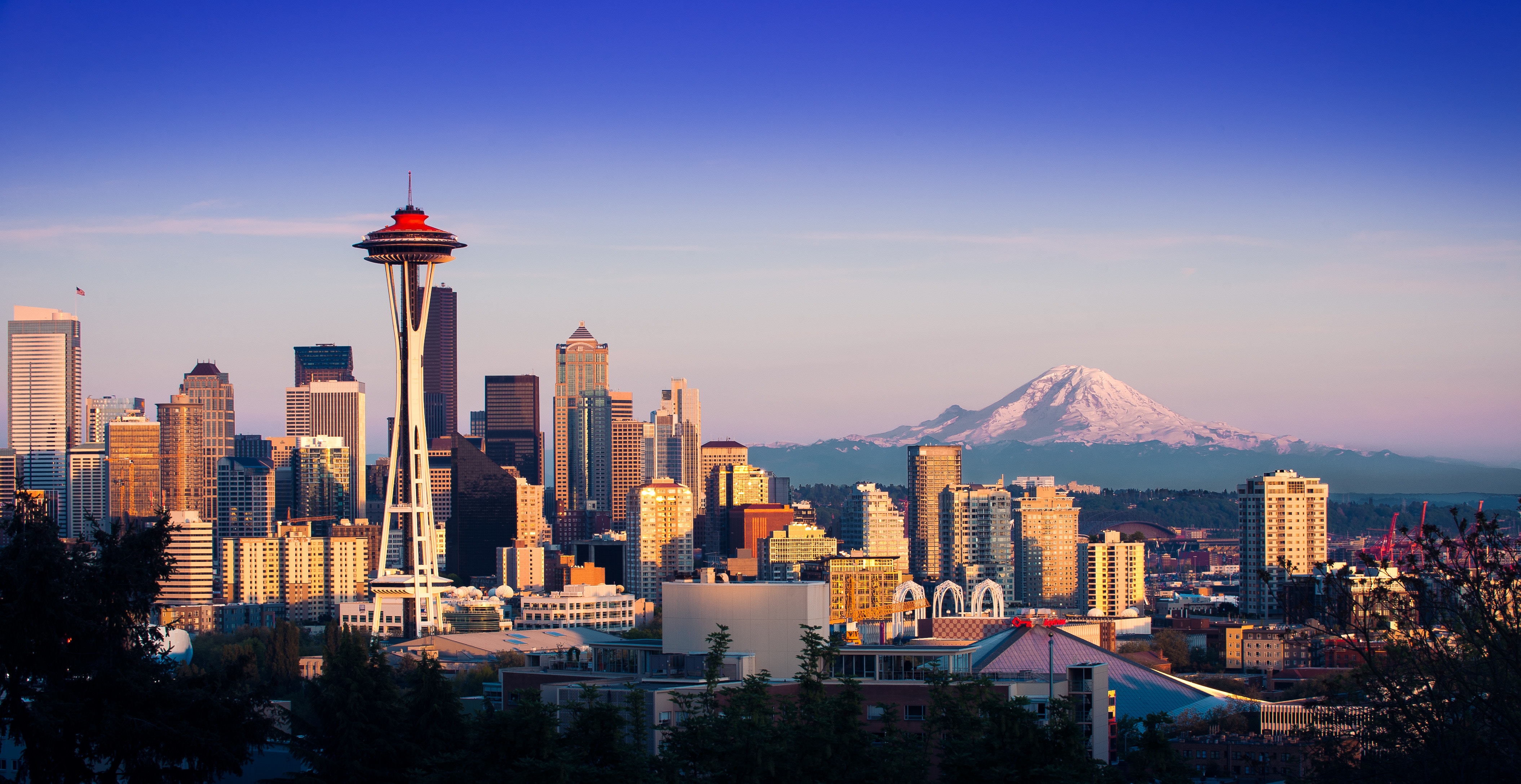
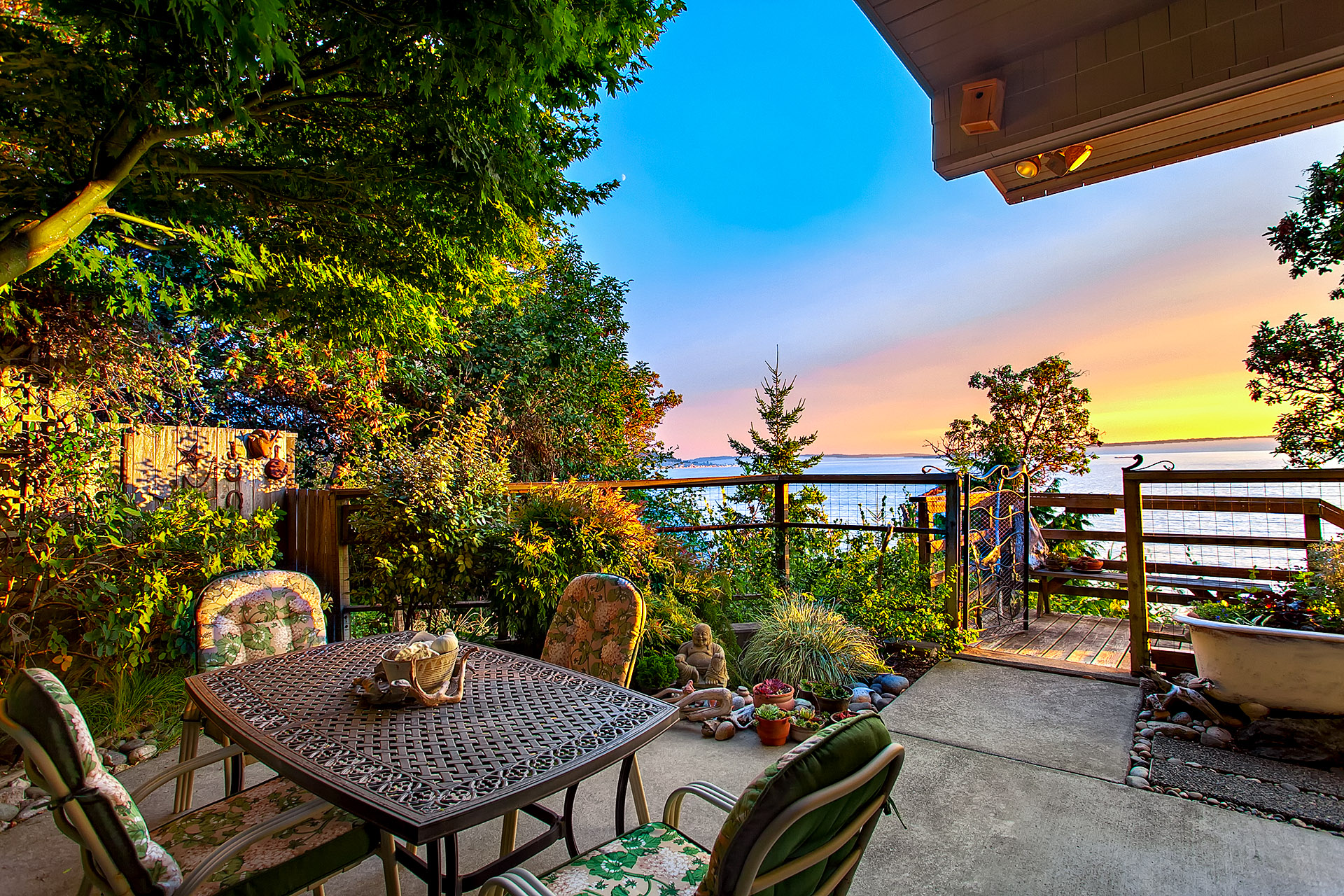
Video is now a necessary piece of the real estate listing puzzle. Video gives potential home buyers a much richer online experience than pictures alone. The movement created by video brings properties to life, giving viewers an emotional connection to the home itself. Adding video to your property websites sells more real estate by inviting more interest, more attraction, and more leads. Digging deeper we find that the number one reason buyers view a video of their listing is to find out more about a specific community. Having great video of the neighborhoods that surround you can be an invaluable tool for presenting the best final product possible for your realtors to help sell their properties. These videos can also be used again and again to add great b roll to any future projects you have in that neighborhood making them a very cost-effective product to add to your offerings. In light of this, we decided to feature the 5 hottest neighborhoods in the Seattle Metro market for 2017. Check out these amazing communities and you will understand why Seattle is one of the hottest real estate markets in America.
Ballard
Known as one of the hottest going-out hubs in town and respected as one of the hippest areas in all of Seattle. Ballard has a very unique personality. Because of its wide variety of residents, you will cross paths with folks going out for happy hour in the evening, the going to the market crowd in the morning, trendy people looking to shop or visit a salon, and club hoppers late at night.
Capitol Hill
A colorful and urban community where many streets buzz with activity and others are tree-lined and calm. Capitol Hill is funky and fast-paced, with an endless number of cool blocks to explore. Just east of downtown, this is the city’s LGBTQ hub, but visitors and locals of all sorts flock to Capitol Hill. Daytime markets, boutiques, and salons are a big draw and the nightlife is hopping with clubs, bars, and music venues. You’ll also often find coffee shops that moonlight as cocktail lounges. Individuality and fashion statements abound, and residents and visitors mix and mingle via the plethora of block parties and community forums to this neighborhood has to offer.
Magnolia
Resting on a peninsula, the Magnolia neighborhood has a secluded feel. From the outside, you might think there isn’t much more there than houses and a marina. The truth is that the area around McGraw Street and 34th Avenue W is a little pocket of activity that rivals the best of Fremont or Greenlake. With a bustling farmer’s market, a yearly SummerFest celebration, free nature walks at Discovery Park, and lots of spur-of-the-moment community outreach events popping up there is always something fun to do. One of the hidden gems is Fisherman’s Terminal, located right on Salmon Bay near the 15th Street Bridge. Although it’s not a tourist attraction like Pike Place Market, it may just be a better way to experience the local fishing culture.
Madison Park
A community lying on the shores of Lake Washington, Madison Park is a popular living destination for those who want an in-city retreat. Close to Downtown and only minutes to the University of Washington, this neighborhood is home to a vibrant commercial district and one-of-a-kind real estate. Madison Park and is ideal for those who want the best of both worlds. The Duwamish tribe native to the area once used this area as their summer hunting and recreation area, with piers and a promenade, a boathouse, live entertainment, a charming business district and the still-popular Madison Park beach it still serves that purpose today.
When establishing yourself as a real estate photographer it is key that the work that you produce is professional and shows no signs of amateurism. Here we will cover a few of the common errors new photographers make, how they happen and how to avoid them.
1. Converging Verticals/Incorrect Horizontals
This is one of the most common issues with people just beginning to work in real estate photography, Converging verticals and misaligned horizontals are particularly problematic for real estate as the aim of good real estate photography is to give a realistic and pleasing view of the property. Humans like things straight and if things looked crooked, it throws our sub-conscious perception out of balance.
Converging Verticals describes the effect in images when two parallel lines in an image, such as the two sides of a house seem to get converge – as if they are leaning in towards one another at the top.
This effect is very apparent when while trying to take the exterior photos you angle your camera up in an attempt to fit the whole structure into the frame. It’s particularly noticeable when using a wide angle lens and while capturing a tall building. This also happens when your camera is not fully level while taking our shot.
Incorrect Horizontals describes the effect in images when the horizontal lines in an image are on different planes. It is particularly noticeable in one point interior shots of the home.
The Fix:
There are 3 keys to dealing with these problems.
Try to move further back from the home that you’re photographing. This decreases the angle that image is taken from and the more parallel you are to the subject the better. This may require you to stand across the street from the home and you will probably get more of the foreground in your image.
The next key on site is to use a tripod that contains a tripod head with a bubble level to check each shot or you can alternately use your live view and line up the edges of the photo with edges of the wall and make sure verticals are straight by using shift and tilt modifications.
The final key comes in post-production. Since, in order to mitigate the converging lines effect, you probably have more of the foreground in the shot than you would prefer to make sure to crop the image accordingly
2. Open toilets
Although it seems obvious, this error comes up oftentimes with new real estate photographers. Leaving the toilet seat open invites the viewer to imagine what might be inside. That is never good.
Obviously, the fix here is to close the toilet seat before taking photos but this error speaks to a bigger overall issue with proper project preparation.
3. Weak Perspectives
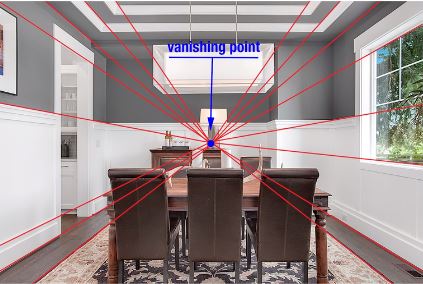
In order to present the best work, all of your shot compositions should show a strong one point or two-point perspective. A one-point perspective is defined as a shot in which all orthogonal lines converge on a single vanishing point.
Most real estate photography is taken with a two-point perspective. Since there are more diagonal lines this is a more dynamic way of composing your shots. A two-point perspective is defined as a shot in which the orthogonal lines converge on two different vanishing points.
The Fix:
Two Point Perspective: Make sure to only capture two walls in your two point perspective compositions. It is always better to let the viewer imagine the third wall rather than have it impinge on the space in your shot. A proper two-point perspective makes the space feel larger, which is key in real estate photography.
One Point Perspective: Make sure to line up your vertical and horizontal lines in your one point perspective compositions. Everyone notices a picture frame that is not properly aligned on their wall so even the untrained eye will notice mistakes here and the photo will look hastily composed and unprofessional.
4. Hot Flash Spots
Hot flash spots like the ones shown below can distract from the important factors of the space and they are also just not aesthetically pleasing. This can happen a number of different ways but the most common cause of this problem is when you are using an on-camera flash and shooting that flash straightforward with no diffusion.
Try using umbrellas to diffuse the light or bouncing your flash off the ceiling or other surfaces for soft fall off light.
5. Bad Tone Mapped HDR
HDR photography can sometimes look overprocessed. While it can be used as a tool for artistic expression it is not something you aim for in real estate photography.This common error occurs because users tend to use invalid settings for tone mapping in post-production. This is common with batch processing of raw images. This can also occur when taking only ambient exposures with no flash or without proper lighting. This can be especially problematic for real estate photography since prospective buyers may be disappointed when they actually tour the home and it doesn’t meet their expectations based on the images they saw online.
OVERPROCESSED
The Fix:
In order to avoid this issue, you should make sure to light the space properly. Try mixing your own lighting with ambient light in your shots. In post-production manually edit the image for a quality color balance.
6. Improper White Balancing
White balancing is the process of removing unrealistic color casts so that objects which appear white in person are rendered white in your photo. A telltale sign of real estate photography amateurism is finished photos that don’t accurately represent the true color of the space. Even if the real estate agent doesn’t notice this you can be sure that their client the homeowner will. This typically occurs because there are too many different light sources with different temperatures and there was no flash used to overpower these ambient light sources or the photographer did not properly adjust the white balance in post-production.
UNBALANCED
The Fix:
Use of a proper flash to overpower multiple light sources and colors and use of post-production software to balance the raw image properly.
7. Lens Distortion
The key to real estate photography is to “keep it real” The use of a “Fish Eye” lens or cheap lenses along with the subject of the photograph being too close to the lens or a lack of proper post-production adjustment techniques can cause your completed work to suffer from lens distortion.
The Fix:
Invest in higher quality lenses as they will pay you back with better end results and happy clients who refer you more business. Make sure the subject is at a proper distance from the subject matter. You also can correct the lens distortion in camera raw or Lightroom by profiling the lens and camera combination.
8. Hard shadows
Hard shadows make rooms look dark which is a bad result since most buyers prefer homes with a lot of light. These shadows can also make walls and ceiling appear stained and dirty.The most common cause of this is something we have covered before; using on-camera flash and shooting that flash straightforward with no diffusion
The Fix:
Try using umbrellas to diffuse the light or bouncing your flash off the ceiling or other surfaces for soft fall off light. You can also manually remove the hard shadows in post-production.
9. Photographer or Camera Reflections
The Fix:
This issue occurs due to improper positioning when taking your shot. If it is impossible to get the right shot without exposing the gear or yourself to a reflective surface you can fix this in post-production with a software such as Adobe Photoshop by using the clone tool.
10. Lack of decluttering the shot
It is important that a real estate listing appear orderly and organized in order to be pleasing to the eye. Although the example below is extreme, it is important to preserve clean lines for your image.
The Fix:
Items such as soap on the sink or remotes on the coffee table take away from the shot. Also be aware and remove any personal photos, garbage cans, security system signs, toys or other uneccessary personal items from the frame.
For more in-depth training on real estate photography follow the links below:
It’s a win-win for the both parties if you, as a real estate photographer, coordinate with the real estate agent and review all the images while on location. Help them get the best shots for their dollars, handles requests for additional shots and select the best photos to market the property. Remember, although you know more than they do in photography, they are the customer so always be gracious while educating them.
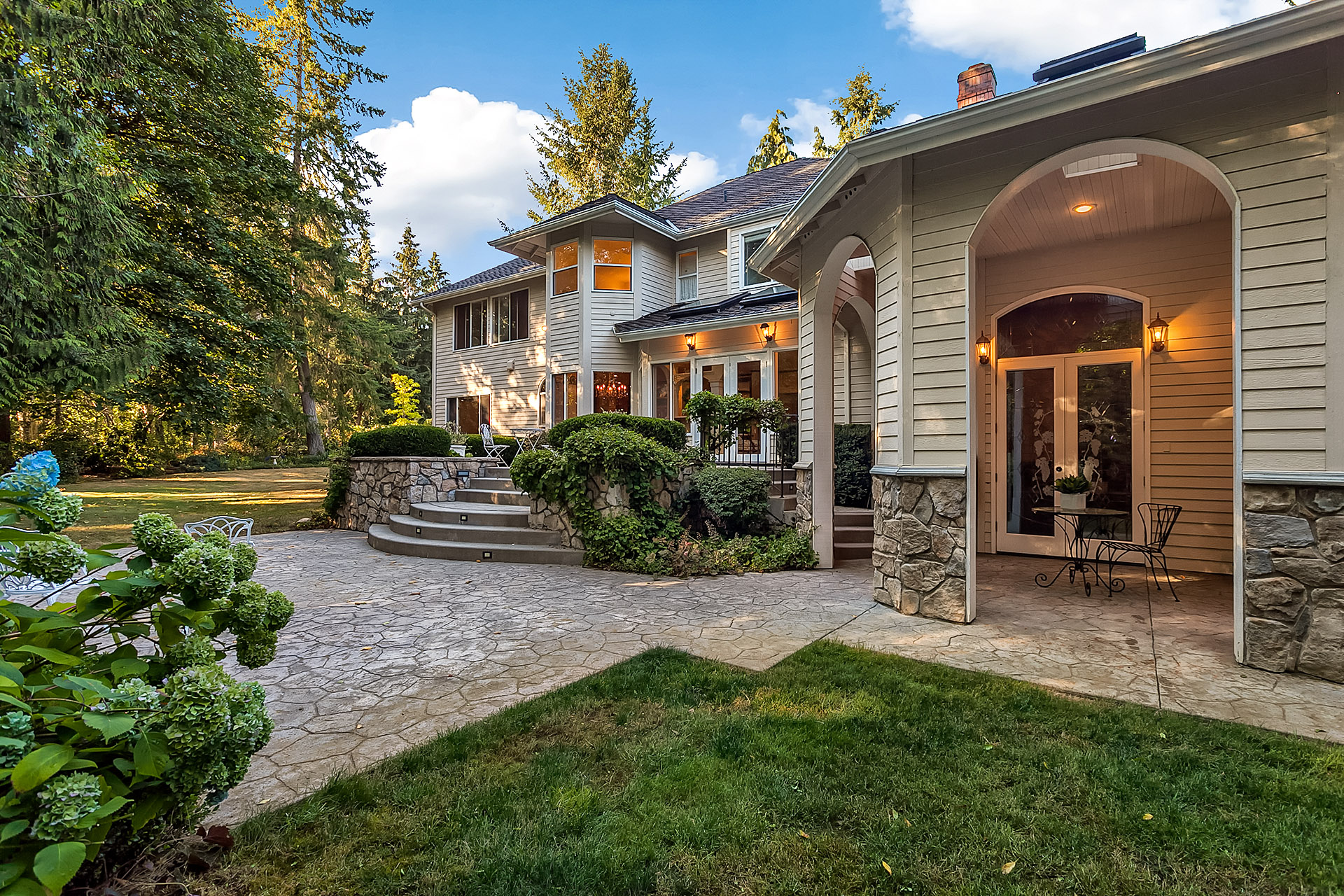
One common and effective angle is looking from the house deck or patio area out into the yard from a two-point perspective. Usually, you will shoot from the corner of the yard so you can get a comprehensive scene of a space and fit as much as possible in the frame. Have a fun learning as this video will teach more about how to photograph backyards for real estate.
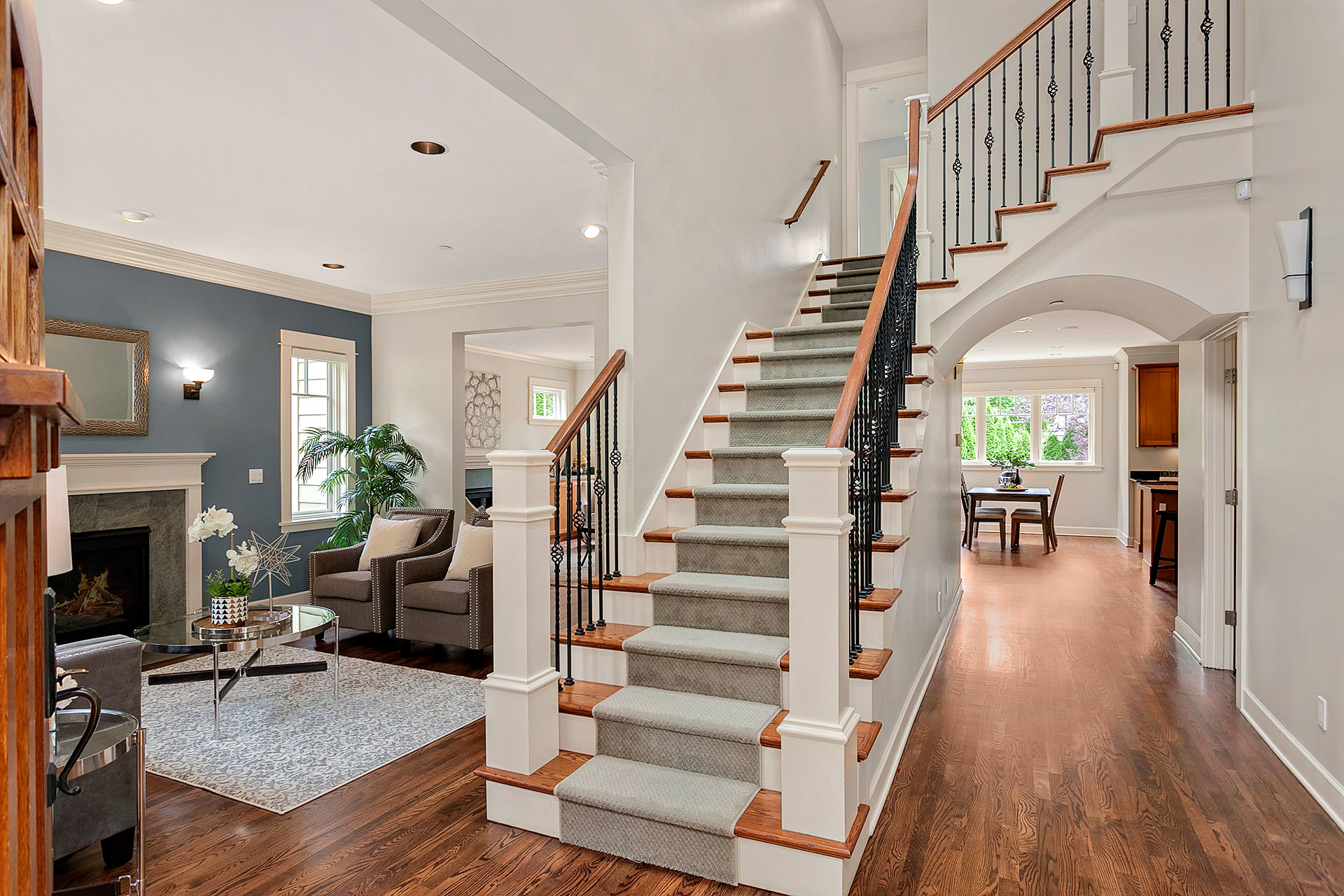
One good way to approach this section of the house is to take one point perspective shot with the door swung open leading your eye into the entry spaces. After watching this video about entrances and staircases for real estate, you will learn perfect practices and then you can experiment your own techniques.
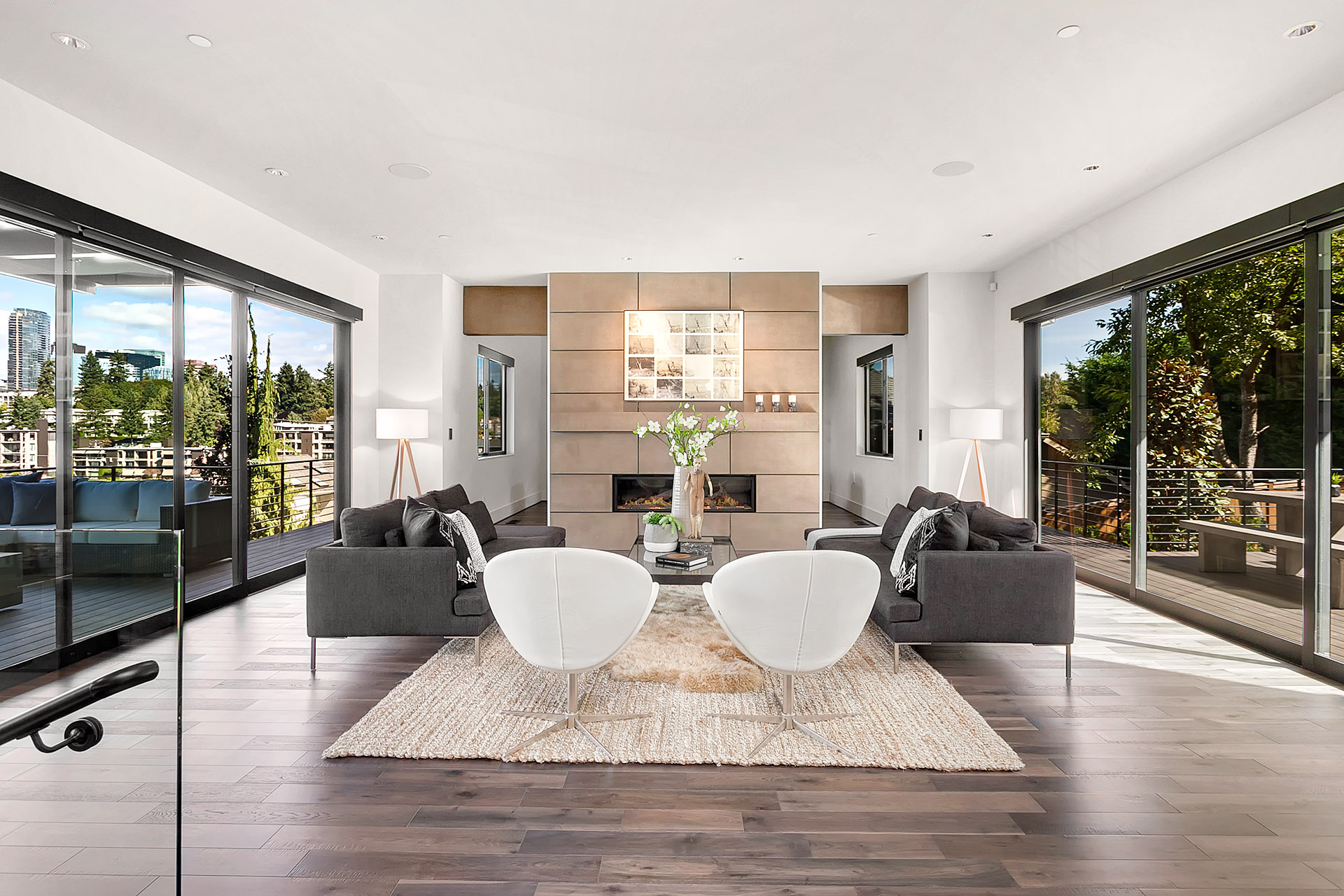
It is ideal to shoot between two or three shots of the living room as it is typically the main selling feature and one of the largest interior spaces of the house. Here is a free tutorial on how to take photos in the living room to enhance the marketability of your real estate listings.
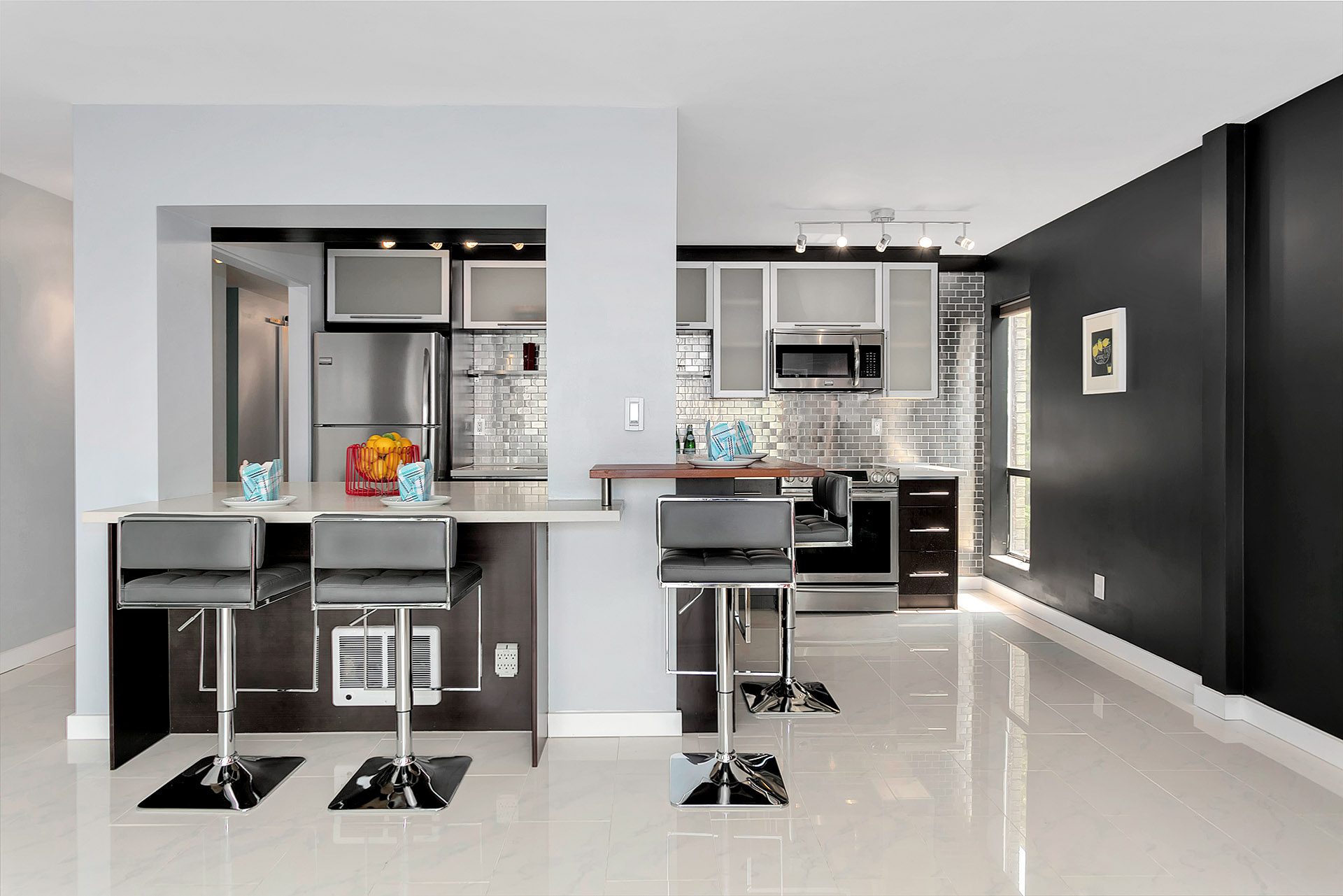
Sometimes it is a good idea to shoot from inside the kitchen looking out into the space beyond it. Watch this step by step guide to kitchen photography for real estate. Enjoy and don’t forget to share this if you like it! Also, we’d love to hear you in the comment section.
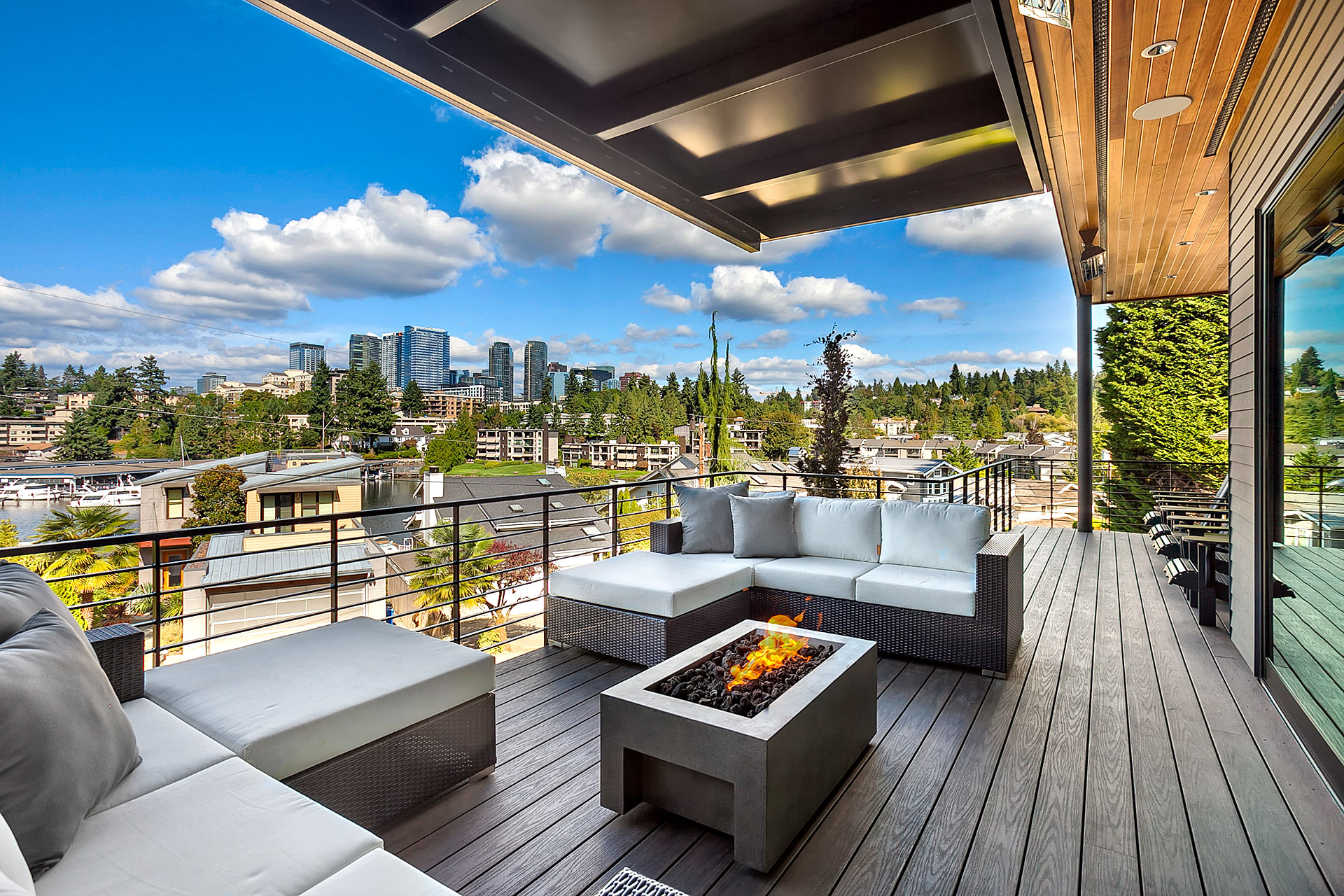
When you tour a property with a view take note of which vantage point will best highlight the space. For view shots, you likely need to switch to your zoom lens so you can focus on the most spectacular section of view. A video tutorial about taking outstanding photos in porches, views, and panoramas for real estate projects.
Your camera auto white balance function is a good starting point but once the house has a combination cool of exterior light competing and clashing with warmer interior your lights it is crucial to take a great flash shot-out of the room. Editors will then be able to see the true colors of the room in post-production. Mastering the basics of HDR and flash for real estate photography is simple. Just follow the tips and techniques through this video.