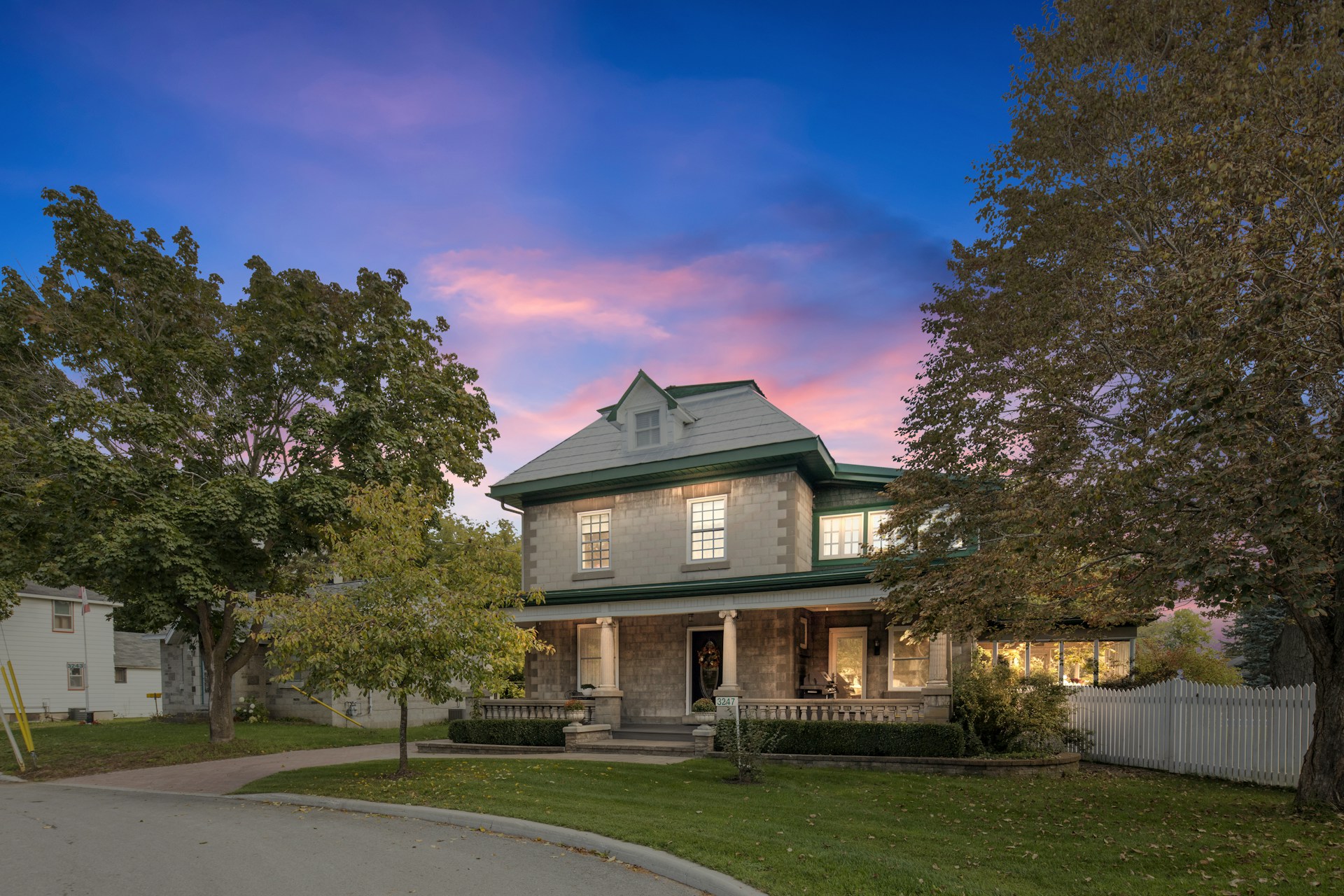
Most home buyers form their first impression of a property long before they even set foot in the place. These days, nearly all home buyers (over 97%) start their real estate search online. So, of course, the listing photos are central in encouraging them to check out properties.
Styles and techniques used in photo editing may be constantly changing, but home buyers themselves have kept their expectations consistent. They want photos to feel genuine, reliable, and enticing. That’s the main reason why some real estate photography editing tips never go out of style.
Here, we take a look at the timeless real estate photo editing standards that help boost high-performing listings. Whether you’re handling one or hundreds of listings, learning property photo editing best practices is a no-brainer.

Why Timeless Photo Editing Matters for Real Estate
Timeless real estate photo editing is a decision-making tool. Realtors need pictures online that match what people see in person. When the visuals align with the real-life showing, then deals are more likely to roll smoothly and hassle-free.
Essentially, buyers make quick decisions based on online photos. Your real estate photos convey a professional and trustworthy message. On the other hand, overly processed images send the opposite message and put potential buyers off.
Another reason timeless photo editing matters is that listings will be around for a while and across multiple platforms. The same photos will end on:
- MLS
- Major online portals
- Social media
- Emails
- Even print marketing
So, while it can be tempting to jump on the latest real estate listing photo trends, there are risks. Your entire real estate portfolio suffers when you follow short-lived trends that go out of style quickly.
Following proven, timeless real estate photo editing standards makes it easier to produce consistent and effective property images across all your platforms.
Trend #1 — Natural, Realistic Lighting
Lighting is one of the first things buyers react to. When lighting looks natural, a space feels more inviting and easier to visualize. When it doesn’t, buyers start questioning what the property actually looks like.
Real estate photo editing best practices aim for balance. Rooms should feel bright enough to show detail, but not so bright that they look artificial.
There is also a performance reason to get lighting right. Homes marketed with high-quality, professionally edited photos tend to sell faster and for more money. Lighting plays a big role in that perception. Buyers often associate clean, well-lit images with properties that are better cared for.
Real estate photography editing tips are designed to avoid extremes and focus on accurate lighting that reflects what buyers will actually see when they walk through the door.
Trend #2 — Accurate Colors (No Fake Saturation)
Color inaccuracy is a red flag that buyers may notice even if they can’t put a finger on it. Most people can tell when colors feel natural and when they don’t, aka when they are oversaturated.
Oversaturated images stand out at first glance for all the wrong reasons. They look unnatural, and potential buyers inevitably start questioning if anything in the photos is real.
That’s why the key to real estate photo editing is keeping colors grounded in reality. To put it clearly, white walls should look white, wood tones should not turn overly orange, and green doesn’t need to appear neon. In other words, colors that shift too far from reality in an attempt to enhance the photo can distract and raise suspicions.
So, that’s why it’s important to understand how to use effective real estate photo editing tools to enhance lighting and contrasts without transforming colors.

Trend #3 — Straight Lines & Correct Perspective
Perspective issues can appear, especially if you use a wide-angle lens to fit the whole room in one shot. However, this can lead to distorted images that feel off.
Professional property photo editing best practices are here to correct vertical and horizontal lines and perspectives, so that the rooms and structure are balanced and proportional. You want to edit the photos to prevent distortions and visual inconsistencies.
Why does it matter?
- Buyers can judge size and layout
- Rooms look true to scale
- The property portfolio looks professional and trustworthy
What are the risks of perspective issues in your photos, and how do they present themselves?
- Curved lines that should be straight
- Distorted proportions
- Unclear depth or lack of depth
- Unrealistic space perspectives
Trend #4 — Clean, Clutter-Free Rooms
Clutter can distract from a property’s actual potential. However, it’s not always easy to capture clean and tidy rooms, especially when the property is still occupied or under renovation work.
What can cause clutter in a room? A variety of things and factors can make the space appear messier and more clutter-loaded than it is:
- Visible loose cabling
- Bins
- Too many personal objects and decorations
- Too many shadows
- Too much furniture
- Etc.
Ideally, you’d want to physically stage the room, but this isn’t always an option. In that case, realtors frequently turn to some of the best real estate photography editing tips and tools to digitally stage a clutter-free room.
Trend #5 — Consistent Editing Style Across a Listing
There’s no denying that if you want real estate photos to look consistent across your agency, it’s important to follow the same real estate photo editing standards across the board.
But, while this sounds logical, in practice, the gallery can feel disjointed. This happens when images are edited by different people using different photo editing best practices. Additionally, different environments, such as daytime and weather, can also affect the overall presentation.
So, for timeless real estate photo editing, agreeing on exposure, white balance, contrast, and saturation will help design a cohesive and unified listing. Ultimately, buyers want to view listings without being distracted by variations between photos. This is as much a case of building a professional presence in the real estate market as a case of giving potential buyers the best information to assess the property against their needs and preferences.
Trend #6 — Soft HDR (Not Overdone)
HDR, or High Dynamic Range, is frequently used in real estate photography to balance bright areas with darker interior spaces in one image. So, this is something that is usually applied to indoor rooms with bright windows, for example.
Typically, this combines multiple exposures to recover through editing tools, detail from both the bright and the dark areas.
It makes sense to introduce soft HDR levels in property photo editing best practices to allow interior spaces to be evenly lit for enhanced detail that would otherwise be missed by the camera. This is also closer to what the human eye can actually process, so it’s a useful technique.
But bringing too much HDR can affect the output quality and credibility:
- Harsh contrasts
- Glowing edges
- Unnatural, gritty look
- Overly textured surfaces / or overly flat
- Loss of depth
So, it’s important to balance HRD use and follow real estate photo editing trends for soft and realistic enhancements.
Trend #7 — Proper Sky Replacement (When Needed)
No property listing would be complete without exterior photos. But there are numerous factors outside a property that are out of your control and can deeply affect how photos will turn up.
- Weather
- Time of day
- Seasonal light
The real question is: Does a property look just as appealing with grey skies in the background? The answer is no, even though buyers are aware that these elements have no correlation to real estate listings. But, there’s no denying that the quality of outdoor light will change how the property appears in photos and how potential buyers will consider it.
So, that’s why you want to use the best timeless real estate photo editing tips to replace the sky. This can help restore balance to the image without making any modification to the property itself. Sky replacement is to be used with care to improve the clarity and lighting without making it unrealistic.
You can also use this to show potential buyers what the property looks like at twilight, which essentially replaces the exterior light direction and intensity in the sky. So, it’s a helpful editing enhancement to showcase real estate listings under the best possible natural light, even when the weather wasn’t on your side on that day.

Trend #8 — Sharpness & Clarity Without Noise
What is sharpness in real estate photography? In essence, sharpness helps potential home buyers see detail in the image. You want to hit the right balance when it comes to photo editing, because too little sharpness keeps detail blurry, and too much will increase noise.
The focus on sharpness is essentially to bring the right level of digital noise, aka the grainy or speckled texture, and keep it as balanced as possible. But depending on the light quality or the camera settings, noise can be more or less present. Typically, the following processes increase noise presence:
- Low light shooting
- High ISO settings
- Small sensors
- Wide dynamic range scenes
- Heavy HDR processing
- Heavy shadow lifting
Noise is naturally a part of the image. But the more you sharpen it, the more it becomes visible. Property photo editing best practices prioritize a leveled presence of noise vs. sharpness. While there are editing processes to balance both separately, the truth is that you can’t apply noise reduction and controlled sharpening in isolation. They work together, and enhancing one will always enhance the other.
How to Apply These Trends to Your Listing Photos
Timeless real estate photo editing trends can be challenging when it comes to putting them into practice for each listing.
In reality, it’s all about planning. Each of these steps plays a part in making sure the final images look spot on.
Take Quality Photos
Good real estate photo editing standards start with usable photos. Even the best tools and techniques can’t correct poor source images. So, that means paying close attention to common disruptors:
- Avoidable clutter
- Wide and distorted angles
- Poor lighting
- Blurry shots
The editing process will be easier when you produce photos that require editing for minor enhancements. If you take the photos with quality in mind, you don’t need to rely as much on editing for meeting standards.
Apply Edits in the Right Order
Editing is most effective when you’re doing it in a logical sequence.
First, you want to sort out the exposure and lighting, then get the color balance and white balance right. Next, you can address any perspective issues, then do your cleanup tasks, such as decluttering or removing unwanted objects. Finally, you can sharpen it all up.
If you use your real estate photo editing tools in this order, it helps avoid over-processing, and you reduce the risk of oversaturation or over-processing that can undermine the whole listing
Use Tools to Address Specific Problems
Each of these real estate photo editing trends is there to solve a specific issue.
Soft HDR helps out with balancing interior light.
Color controls stop you from getting any unrealistic tones.
Perspective tools fix up any distortion from using a wide-angle lens.
Virtual staging removes distractions that staging alone can’t fix.
Sky replacement and virtual twilight help you out with exterior shots when the weather is being a pain.
The key is to use the tools with a clear idea of what you want to achieve. Tools should be used to correct and refine, not to change the scene completely.
Review Images as a Full Set
Photos should never be reviewed in isolation. A listing gallery needs to work as a single package. Have a look at how they compare side by side, to check for any consistency in brightness, color balance, and contrast. This can help spot any shifts that might not be obvious when you look at a single photo.
This final check is where many issues are caught and fixed. It’s also where you can reinforce consistency across your listing.
By treating these trends as a repeatable process rather than one-off adjustments, timeless real estate photo editing becomes more reliable and repeatable.
Why Professional Editing Still Wins
In conclusion, timeless real estate photo editing standards are designed to create a repeatable and cohesive process that produces quality listings for your real estate presence. By this point, you understand both the importance of starting with decent quality input and the way to apply the right editing trends to drive inquiries on real estate properties.
We recommend using solutions like Phixer that are specifically designed to handle the challenges and demands of real estate photography.
Leave a Reply
You must be logged in to post a comment.