Category: Real Estate Marketing

  • How Real Estate Photo Editing Impacts Airbnb & Short-Term Rental Bookings

    How Real Estate Photo Editing Impacts Airbnb & Short-Term Rental Bookings

    Discover all you need to know about the value of short-term rental photo editing.


    Worth over 154 billion in 2026, the short-term property market is lucrative right now. The problem is that it’s also very competitive! That means to succeed, you need to do everything you can to make sure that your listings stand out from the crowd.

    The most effective way to do this is to use high-quality visuals. Indeed, great visuals provide all sorts of benefits to your Airbnb business. From stopping potential customers scrolling by, to building trust and demonstrating professionalism.

    Good short term real estate images even allow guests to quickly compare the listing on offer to find something that best fits their needs. They also show how clean and spacious your Airbnb  property is.

    But what happens when the person taking your images has a bad day? When you can’t afford a professional photographer, or when the lighting just isn’t conducive to the perfect picture? Should you just accept that your listing  won’t get as many bookings as it should? That you will lose out on valuable occupancy and revenue?

    No! Of course not, and the good news is that you don’t have to accept defeat. Instead, you can use real estate photo editing to help you achieve the high quality images that your Airbnb needs to thrive. Keep reading to find out about all the benefits of photo editing below in the visually driven short term real estate market.

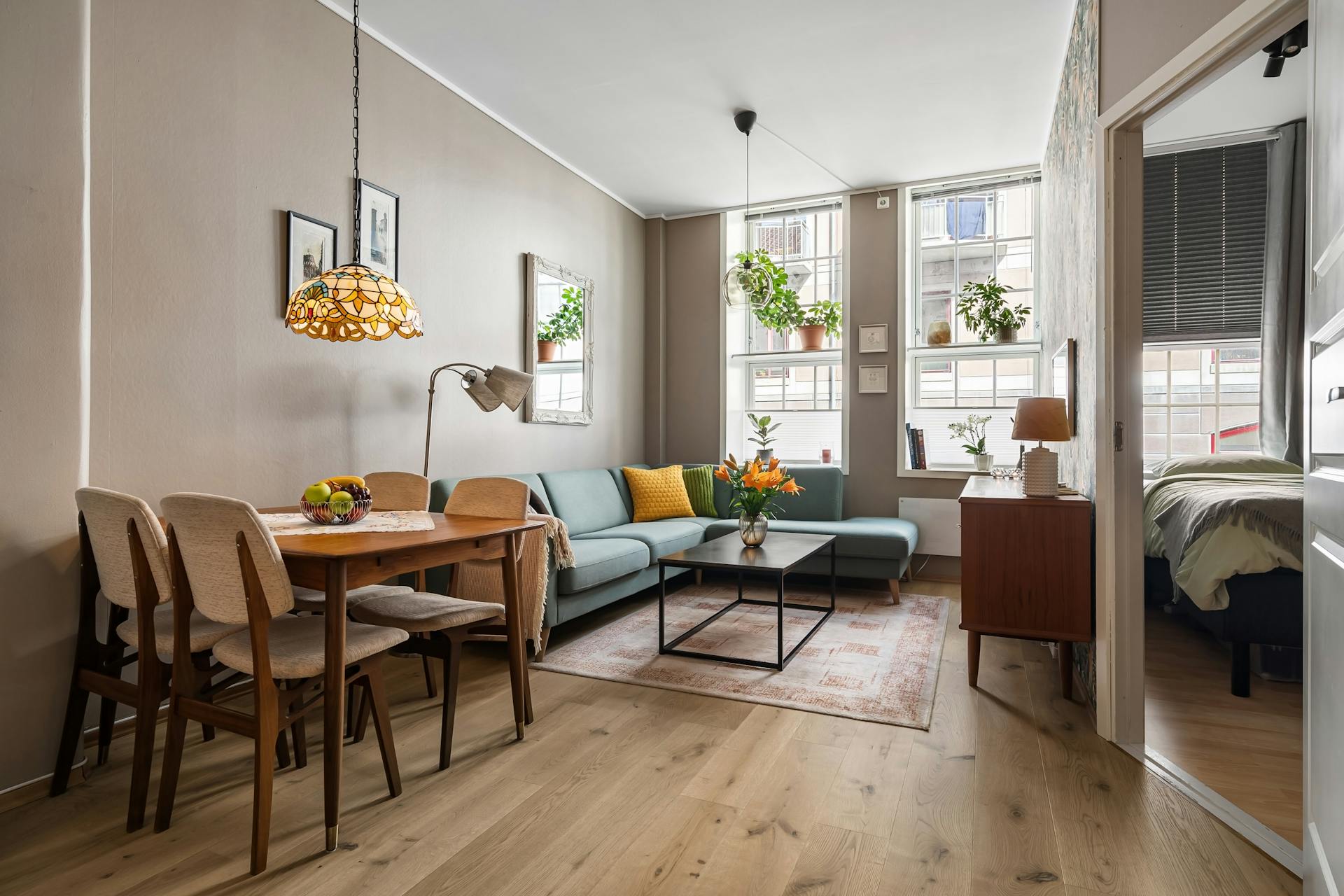
    Image located at Pexels – Licence CC0

    What Does Real Estate Photo Editing For Airbnb Actually Improve?

    Airbnb photo editing is the process of using software to enhance a property’s images. The great thing about this process is that it can be used to improve a range of image factors including:

    Lighting & Exposure Correction

    The first thing that short-term rental photo editing can do for you is to improve the lighting and correct any exposure issues. What this means is that you can brighten up dark interiors, making them look more inviting. It also means you can correct any window bloom issues where the light coming in from the windows overpowers the image. Lastly, vacation rental photo editing allows you to ensure that all the light in your property looks natural and appealing. This lighting especially important for your initial thumbnails. This is because thumbnail images help bring clients to your listing.

    Color Correction

    Real estate photo editing can also be used for color correction of your vacation rental photography images. This is really good news if you have photos that do not accurately portray the authentic tones of the walls and furniture in your property. Remember you want your images not only to be as appealing as possible but also as accurate as possible. This will prevent disappointment when clients arrive helping you to maintain trust and gain good reviews.

    You can also use Airbnb photo editing to color correct your images. This can be particularly helpful in giving your short term rental property an inviting glow. It’s a simple changer but it’s also one that can just tip the scales in your favor.

    Sky Replacement & Window Enhancement

    Great thumbnails are crucial in the visually driven environment of short term rentals. That is why it’s also a good idea to use real estate photo editing for Airbnb to tweak your thumbnails making them as attractive as possible. Even small things that you may not be in control of such as dark or cloudy skies can impact the success of your images. That is why using photo editing to change cloudy skies to blue ones can also be very effective.

    Object Removal & Decluttering

    Clutter, even if it may be useful to your short term tenants, can be distracting. It can also make a property look smaller and untidy. The good news is you can rectify this with real estate photo editing and create a more premium appearance.

    Vertical & Perspective Correction

    When images of short term rentals feature crooked walls, and lines they instantly look less professional. This can put off potential clients both because of the issue of aesthetics and trust, so correcting these via short-term rental photo editing can ensure your images are as effective as possible.

    How Better Photos Increase Airbnb Bookings

    Professional Airbnb photos increase Airbnb bookings in a number of ways:

    Higher Click-Through Rates

    The first of the Airbnb listing photography tips that will help you increase bookings is to always have a strong thumbnail. The reason for this that a good thumbnail will help boost your CTR or click through rates. This means that more potential customers actually click through to your listing from the search results.

    Improved Guest Trust

    Another of the most important Airbnb listing photography tips  is that better photos also improve guest trust. This is because images that look professional show that the owner is serious about their Airbnb, and that guests can expect a reliable description leading to a positive experience.

    Better Perceived Property Value

    Aesthetically pleasing professional Airbnb photos will always make it look like a more expensive property. This higher perceived property value helps guests understand and justify higher nightly prices. A strategy that can help Airbnb owners make more money per booking.

    Increased Occupancy Rates

    Last of all, you can use Airbnb photos for more bookings. This is because great photos help to generate more demand for your property. In turn this boosts occupancy rates. More bookings over time, means your both occupancy and profits rocket!

    Common Mistakes in Airbnb Listing Photos

    Now, let’s take a look at some of the most common mistakes in Airbnb listing photos, and why you need to avoid them.

    • Dark interiors – Dark and dingy interiors make your space look smaller and less inviting. This will put off potential renters.
    • Overedited HDR – Makes your space look fake and discourages trust. No one wants to get catfished on a short term rental.
    • Crooked angles – If you can’t be bothered to makes sure your images look professional, what else have you neglected? Crooked angles erode trust. Always avoid them!
    • Cluttered rooms – Too much stuff in frame give the property an unkempt look. Its suggests it’s not well taken care of or clean.
    • Inconsistent lighting – Makes images look unprofessional and makes clients query your professionalism.
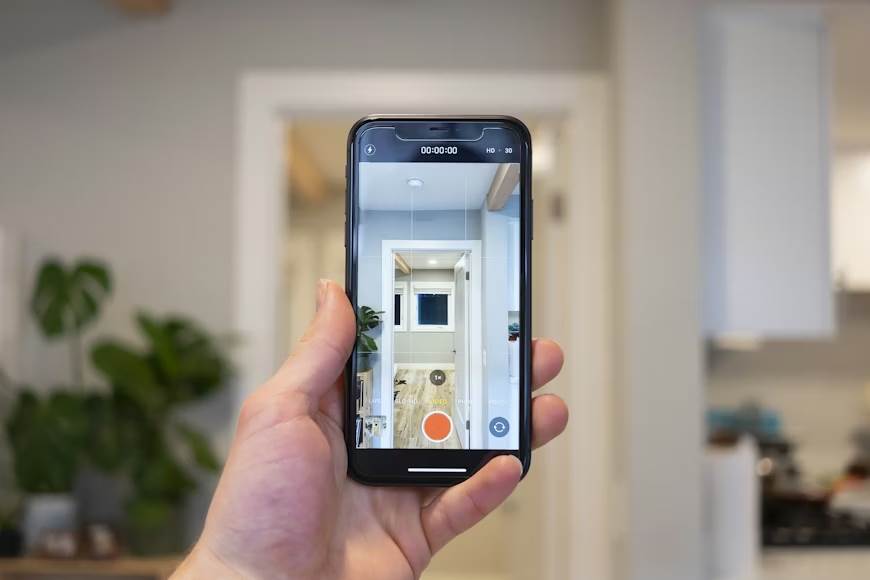
    • Blurry smartphone images – Shows a lack of care and effort. Makes customers question the quality of your property, and whether you are trying to hide something about it.

    Professional Editing vs DIY Editing

    You may be wondering whether it’s best to have your vacation rental photography professional edited or whether to edit them yourself. Well, there are pros and cons to each option. Read about them below.

    When it comes to DIY vacation rental photography editing, the biggest benefit has to be the lower cost involved. You can even use free apps to edit your Airbnb listing images. Although it’s important to ask whether this cost saving is worth the other sacrifices you may also end making. For example, it can take up to 10 hours to edit a batch of 20 images with DIY editing. Once you have put the effort in to learn the software, a task that can take a long time and that has a steep learning curve. Even when you have learned the software, that’s 10 hours of your time that could be better spent elsewhere.

    However, with professional editing you can get the image back in 24-48 hours. All while freeing up your time and focus to run the other parts of your business. Consistency too tends to be of a much higher quality with professional editing, which helps to reinforce the professionalism and trustworthiness of your brand. Quality too tends to be higher with professional editing. This is because professionals pay for the full editing suites, allowing them access to more functions including HDR, and retouching. Again professional editing scalability wins in comparison with DIY as editing any more than 3 properties can be a real time-consuming chore, for the latter. Yet professional editing can handle hundreds of properties without issue.

    What this means is that outsourcing professional image editing is the best choice for Photographers, Hosts, and Property Managers. For hosts, professional vacation rental photo editing means higher quality images that boost CTRs and bookings. For property managers, better images reduce a property’s time on the market and so costs. Lastly for photographers outsourcing professional image editing increases consistency, and productivity.

    Best Types of Airbnb Photos to Edit

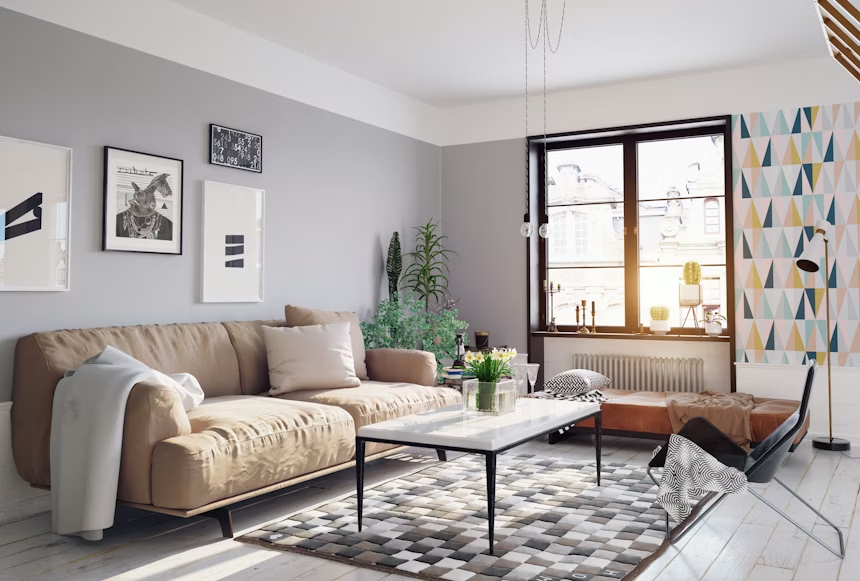
    airbnb living room

    Wondering which of your Airbnb photos it’s best to edit? Check out our expert recommendations below:

    Living room

    Short term rentals main unique selling point is that they are a home away from home. This means showing the living room in your property in a favorable light is a must. To achieve this you can emphasize the living room by editing photos of the space to be comfortable and cozy.

    Kitchen

    Part of the appeal of an Airbnb is that guests have access to a kitchen to cook in. You’ll want to highlight these features by using real estate photo editing for Airbnb to show off the cleanliness of the kitchen space. Be sure to also  drawing attention to high end appliances, and any dining areas.

    Bedroom

    Guests will always want to know that they will have somewhere calm and peaceful to sleep. Edit your images to reflect this by plumping pillows, and creating a warm inviting environment that oozes rest and relaxation.

    Bathroom

    Would you rent a Airbnb with a dirty bathroom? Of course not, and neither would your guests. That is why editing your property’s bathroom photos reveal the cleanliness of the rental is critical. You can also show that it’s well stocked with toiletries, helping guests to travel lighter.

    Balcony

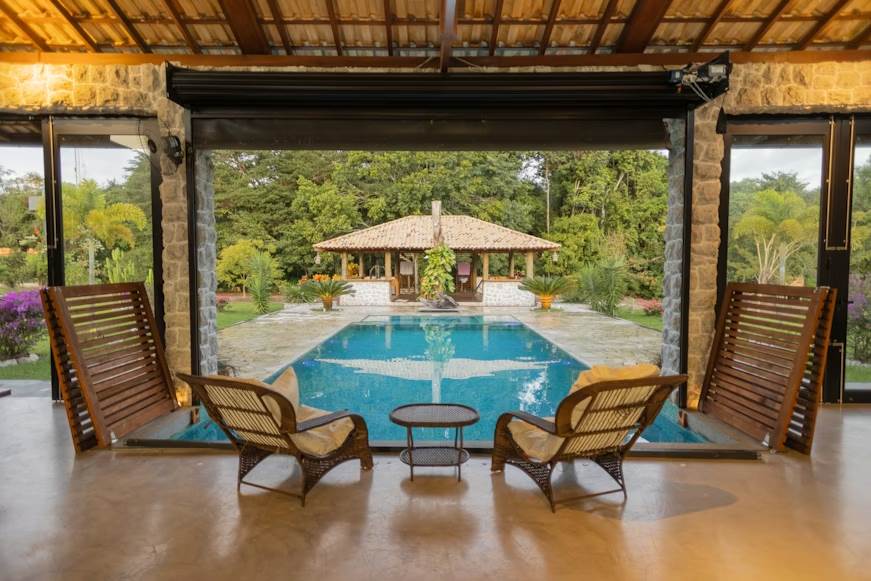
    Balconies are always a plus for short term rentals. Just be sure to edit your balcony images to accentuate a clean, usable space, and good view.

    Amenities

    Ensuring that your short term rentals amenities are captured in the best light is vital to a successful listing. That is why you need to clean up any shots of amenities, removing clutter and making sure they get the attention they deserve.

    Exterior twilight shots

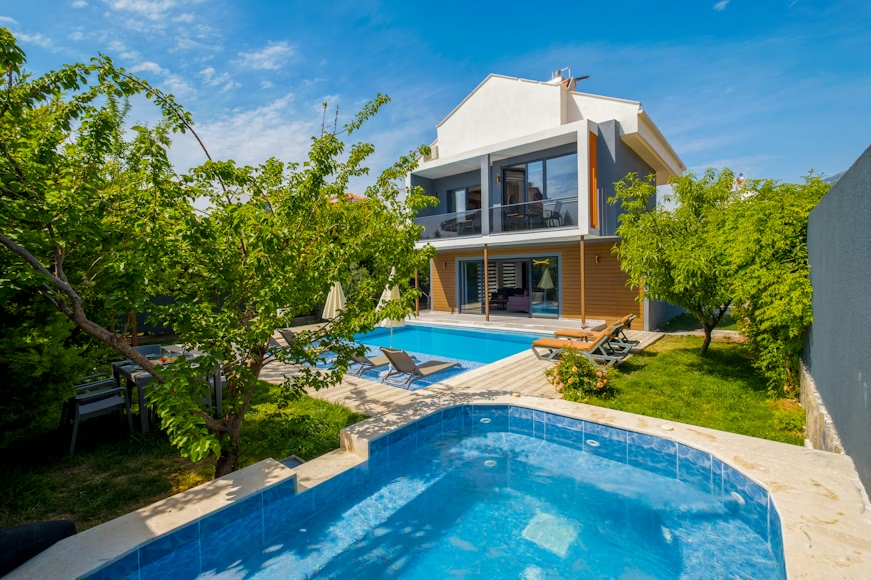
    Golden hour shots are a must for Airbnb listings. Happily, now, no matter when you take the images, you can still achieve those exterior images drenched in golden hour sun. All you need to do is edit them.

    Is Airbnb Photo Editing Worth the Investment?

    The answer to the question of whether Airbnb photography editing is worth the investment is a resounding yes! This is because the short-term rental market is a visually dominated medium. What this means is that the things you do to improve your listing’s images with editing will make a positive difference.

    Good photo editing can result in many advantages that are critical for success. These include reducing vacancy, providing you with a more conscious and predictable income. Well-edited images can also convert browsers into paying customers, with a strong first impression.

    Lastly, high quality photo editing can help you convey that real value of your property. This results in a higher nightly rate and a better profit margin overall. For these reasons professional photo editing provides excellent ROI for short-term rental owners.

    Final Thoughts

    In the short term rental market, visuals have a direct effect on how many bookings you get. This is partly because customers need to be able to make a fast comparison between your property and thousands of others. Good quality images help them do that effectively.

    Images that have been edited to highlight cleanliness, facilities and over all care also help to boost the client’s impressions. Not only of the listing itself, but as you as a host, helping them to trust you with their hard earned cash.

    The short term rental market market that has the potential to be very profitable. Yet it is also is also highly competitive. That is why Airbnb photography editing offers both excellent ROI and a competitive advantage that cannot be ignored.
  • How to Fix Blown-Out Windows in Real Estate Photos (Step-by-Step Guide)

    How to Fix Blown-Out Windows in Real Estate Photos (Step-by-Step Guide)

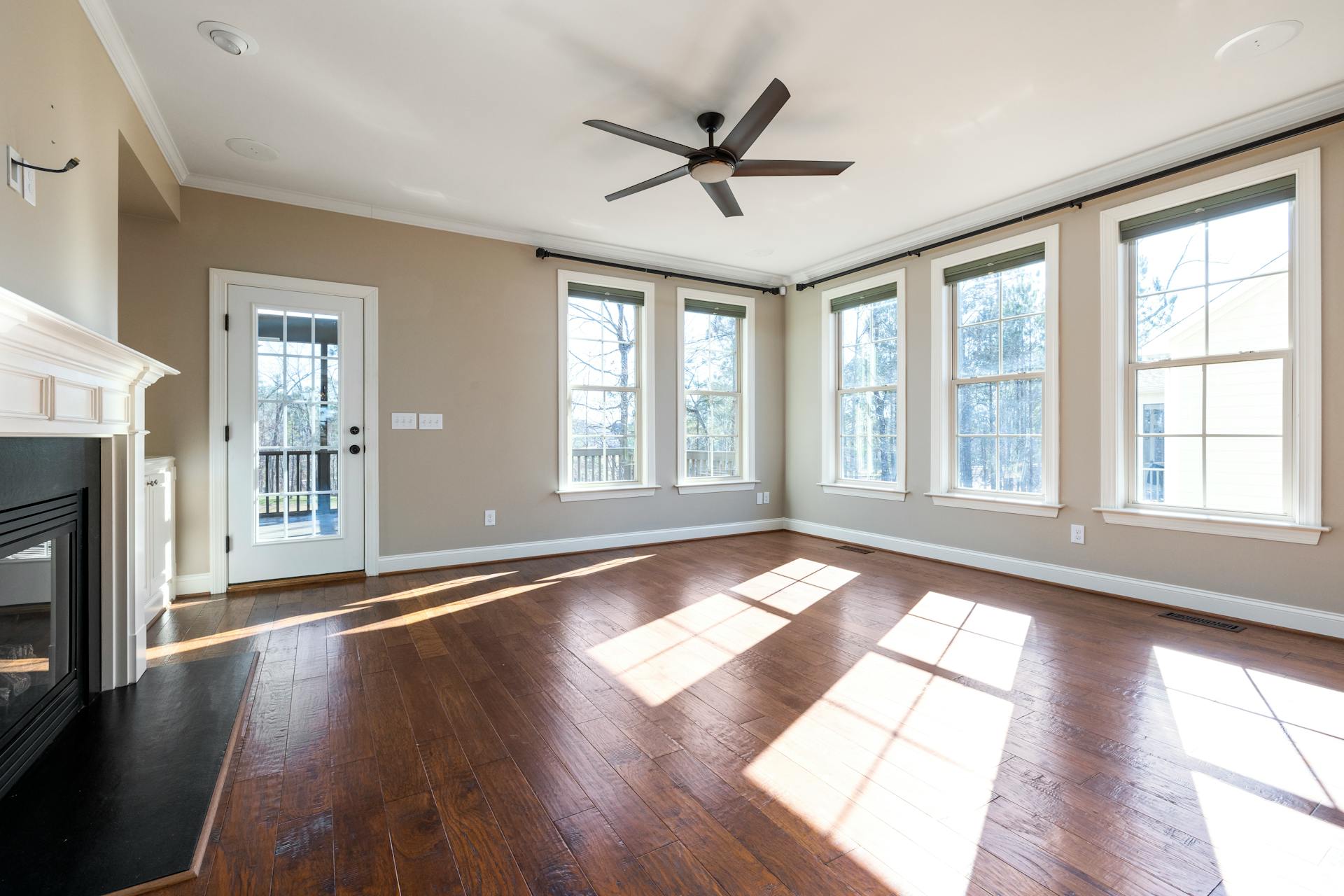
    Blown-out windows are one of the most annoying artefacts that can creep into real estate photos. These make window panes look bright and washed out, contrasting negatively with interior exposures, making shots look amateurish. 

    Unfortunately, buyers pay a lot of attention to property photos. When pictures don’t accurately convey the quality of the property, it can put them off, causing them to skip to the next listing. 

    If you are suffering from blown out windows in your real estate photos, this comprehensive, step-by-step guide is here to help. It walks you through what blown out windows are, how you can edit them, common pitfalls people make when trying to capture real estate interiors, and when you should edit yourself versus using an expert. By the end, you’ll know what to do to create professional-grade interior photos. 

    What Causes Blown-Out Windows in Property Photos

    Blown-out windows in property photos are caused by issues relating to dynamic range. When daylight is visible in an interior shot (usually via a window), it creates a large disparity between the brightest and the darkest areas of the exposure, which camera sensors find it difficult to capture in one shot.

    For example, exterior brightness can be 10 to 15 times higher than interior brightness on sunny days, generating contrast regular cameras simply can’t deal with. The camera is trying to expose for long enough to keep darker interior walls and furniture visible, but then over-exposes on the windows, making them look much brighter than they should. The result is darker interiors with a murky appearance. Rooms seem dingy and unwelcoming. 

    Even high-end mirrorless cameras and DSLRs struggle to process the extreme contrast between the light coming in from windows and the rest of the room. They can’t compete with the dynamic range of the human eye, which is why images look odd (even if equipment is properly calibrated). .

    Added to this, other factors can make blown-out window problems even worse, including:

    • Shooting at midday when sunlight is harshest
    • Shooting in program modes or auto modes
    • Relying too much on a single exposure
    • Using mixed lighting setups

    When photographers fall into these traps, photos can look flat and unprofessional. They don’t spark interest, so buyers move on to the next listing, hurting the property’s performance. 

    What Is Window Pull Editing?

    Unsplash – CC0 License

    Window pull editing is the art of bringing together an exposed exterior view and an interior shot for a specific room. Photographers “pull” the properly exposed portion of the view into the shot for the rest of the interior so exposure levels match in a way that the human eye would recognize. 

    Software tools make this possible by layering the dark exterior shots over the main interior image, using masks to blend the transition. This approach reveals the window area with more crisp details like the outside landscape, sky and sea. Meanwhile, the interior of the room remains perfectly lit, looking bright and welcoming. 

    Window pull editing is not magic; it’s a common technique photographers have been using for a long time. When done correctly, rooms look natural. 

    Editors use window pulls for virtually every listing on major platforms like Realtor.com and Zillow. However, they are particularly important for luxury listings where buyers want to view properties in context. Window pulls may not matter for small townhouses lacking exterior areas, but they do matter for properties overlooking expansive gardens, beaches, cities, or oceans since these are a major selling point for wealthy buyers.. 

    Methods to Fix It

    What can be done to fix blown-out windows in real estate photography? Here are some options: 

    HDR blending

    High dynamic range (HDR) blending is one of the most popular approaches to deal with blown-out windows. It’s also relatively simple to do with modern tools.

    Set up your camera on a tripod and then set manual mode to aperture f/7 to f/8, ISO 400 or lower. Then shoot three to five exposures.

    Once you have these, use an editing tool to perform an HDR real estate editing merge. Depending on the tool, you’ll need to select specific menu options. You may be able to adjust aspects of the merge, like the level of highlight or the level of shadow. This can help to make images look more realistic. 

    Be careful when using HDR. Most professionals leverage the tool in cases of moderate contrast. However, it can look unnatural if there is excessive tone mapping. 

    Manual blending

    By contrast, manual blending gives you more artistic control without relying on algorithmic HDR approaches. Many professionals believe this produces a more realistic and natural looking result. However, it is more challenging to achieve because the work has to be done manually.

    Start this process by shooting your interior exposure in a properly lit room and then using a window pull exposure for the exterior, ensuring that you retain exterior detail. Then edit in and open layers in your software tool. You should have an option to edit and adjust the darker window layer. Placing this on top of the regular interior exposure and then using a blend tool brings the whole image together. 

    Flambient technique

    Finally, you might want to use the flambient technique, which combines “flash” and “ambient” shooting. Many real estate agents see this as the gold standard for the best-looking real estate photos. You get a flash for accurate interior colors with ambient light for realism and a dedicated window pull. 

    Start this method by taking the ambient shot, using a middle exposure for a well-rounded light level. Then you use a flash shot that exposes the walls and any furniture enough so that they look bright. The final step is the window full pull shot. Here you turn off the lights so that the interior looks darker than the exterior. 

    After assembling these images, you can then edit them. You’ll need a tool that allows you to open all three images at once and then blend and mask them together. Continue adjusting things like sharpening, color balance, and vignette to the point where the image feels natural. 

    Common Mistakes to Avoid

    Unsplash – CC0 License

    When fixing blown-out windows, you’ll need to avoid some common mistakes that even the pros make. Here’s what many people get wrong: 

    Over-reliance on a single exposure

    Don’t expect one frame to enable you to create stunning interior shots for property listings on bright days. You will always need at least two exposures, and preferably three. 

    Poor masking

    Avoid elements like reflections that make editing look obvious. Mask them using proper blending tools or AI software. 

    Excessive post-processing

    Trying to use post-processing to remove the haze from skies can make real estate images look cartoony. Buyers are often switched off by photos that seem inauthentic so avoid excessing processing. 

    Skipping tripods

    Don’t skip the use of a tripod for shooting interior shots. If layers are misaligned, it will become obvious in the final edit. 

    Incorrect white balance

    If you use a flash and daylight mismatch, it can lead to yellow and blue casts. To fix this, edit in RAW first. 

    Flashing too much

    Overflashing can lead to unnaturally harsh hotspots in your interiors. Always rely on ambient light where possible. 

    DIY vs Professional Editing (Important for conversion)

    Knowing whether you should edit yourself or get professionals to do it for you is a significant question for real estate agents and anyone looking to sell a property.

    The benefit of DIY editing is that it doesn’t cost you anything extra. You have full creative control, and you can turn around images quickly. The downside is that it’s a time sink, and the quality can be inconsistent.

    Many real estate agents spend two to four hours editing a single 20-photo shoot for a property, which is often between 5-10% of their week. And even after all of that work, the final result may not be what buyers were expecting. 

    Professional photo editors produce consistent, high-end results, but they are much more expensive. Expect to pay between 50 cents and $2 per photo, depending on how many you want editing. 

    When to Outsource Real Estate Photo Editing

    You should outsource real estate photo editing when: 

    • You’re scaling a business and want to reduce the amount of time spent editing
    • You shoot more than three properties per week
    • You Have a large number of photos requiring editing
    • You value your time more than the small cost of paying a professional to edit for you
    • You need to rush editing jobs to get listings on platforms quickly
    • You need consistent images quality that reflect well on your real estate brand

    So there you have it, how to fix blown out windows real estate photos. Ultimately, window pull real estate photography is easier than you might think with proper techniques. You can fix overexposed windows interior photos with relative ease and use enhancement tools to bring out the best in all your images. 

  • Phixer Featured on Redfin: Expert Tips for Selling Your Home

    Phixer Featured on Redfin: Expert Tips for Selling Your Home

    We’re excited to share that Phixer was recently featured in a major Redfin article, 12 Things To Do Before Selling Your House (February 3, 2026) — a go-to guide for homeowners preparing to sell their property.

    In the article, Apple Suico from Phixer shares insights on how small improvements and professional photos can make a big difference in attracting buyers:

    “Before listing your home, focus on decluttering and depersonalizing each room so buyers can easily envision themselves living there. Small repairs like fixing leaky faucets, repainting scuffed walls, and updating tired lighting can have a big impact on perceived value. Lastly, invest in a deep clean and professional photos; first impressions online drive buyer interest more than ever.”

    Redfin’s piece covers 12 essential steps for sellers, including scheduling a pre-listing walkthrough, tackling repairs, boosting curb appeal, and capturing professional listing photos. Whether you’re selling in Boulder, CO, or El Paso, TX, these tips help homeowners prepare for a smoother sale, stronger offers, and fewer surprises at closing.

    We’re proud that Phixer’s expertise in real estate photo editing is helping homeowners across the country showcase their properties in the best light — literally and figuratively.

    📖 Read the full Redfin article here: 12 Things To Do Before Selling Your House

  • Effective Strategies to Advertise Real Estate Online

    Effective Strategies to Advertise Real Estate Online

    In today’s market, more than 90% of home buyers start their search online, according to recent NAR reports.

    Therefore, it’s essential to think about effective strategies to advertise your listings. You need to be able to appeal to customers who are chronically online.

    The focus of this guide is on actionable and proven tactics that brokers, agents, and sellers like you can use to boost your online presence.

    Once you’ve read it, you’ll understand more about how to drive leads in a competitive digital landscape. With the proper tools in place, you can reduce selling costs and reach the very people who are most likely to buy. Understanding these challenges and then finding ways to break through them is the shortest path to success.

    Below, you’ll find various individual strategies you can deploy when selling. But if you really want the greatest results, the best approach is to integrate all of them.

    Once you understand your audience, develop the right marketing techniques, and craft compelling listings, you’ll make faster sales and get higher engagement from prospects. You’ll also have a better return on investment supporting your cash flow if you’re an agency.

    So, what are the strategies that you need to use? Let’s take a look.

    Maximizing Online Visibility

    Unsplash – CC0 License

    The first thing you’ll need to focus on is online visibility. Maximizing this means that your properties appear prominently on the platforms you use to sell them. This could apply to search results in Google, directories where people can post listings, or conventional platforms like Rightmove, Zillow, and Redfin.

    Start with proper keyword research using Google’s Keyword Planner tool. You’ll need to look for the keywords people are using in your area, like “homes for sale in New York City” if you happen to live in New York.

    Knowing the phrases prospects type into Google search makes it more likely to show up in results. This is particularly helpful if you are selling a commercial property or a luxury home that has appeared in a press release elsewhere. Google may prioritize it if you get your choice of keywords right.

    The next stage is to think about on-page optimization for your listings. You’ll want to consider:

    • Alt text for images
    • Meta tags
    • Keywords in your descriptions
    • Mobile friendliness

    Remember the vast majority of people listing properties for sale will not cover these bases. Instead, they’ll simply go with the default copy and setup offered by the platform. If you go beyond this, you will automatically rise above the pack, and your properties could potentially become more visible.

    Following that, make sure that you claim your profiles on the major syndicating sites mentioned above. These have special algorithms that select listings based on the completeness of the data they have and the quality of the photos associated with them.

    Always use a professional photographer and edit your photos using specialist tools like Phixer. Avoid the temptation to take pictures with your iPhone (unless you have a lot of experience in real estate photography).

    Next, complete all the fields platforms require. These include:

    • Number of rooms in the property
    • Size of the floor space
    • Number of bathrooms
    • Number of bedrooms
    • Whether the property has a yard or a balcony
    • Whether there’s a garage attached to the property
    • Presence of any special utilities like solar panels or air-source heat pumps

    If you run a real estate agency, optimize your Google My Business profile. Doing this gives you more visibility in search results. Make sure you use schema markup for property details. Getting this right improves the likelihood they appear in Google’s rich snippets.

    Also, encourage reviews. The more of these you have, the more Google will promote you, and the more likely prospects are to use your services.

    Don’t forget to track your success with the right metrics, such as impressions, click-through rates, and website traffic. These allow you to monitor what’s working and what isn’t so you know how to adjust your listings to make them more competitive.

    Crafting Compelling Listings

    Unsplash – CC0 License

    As mentioned, maximizing your online visibility means crafting more compelling listings. But how are you supposed to do that?

    For us, the most important thing to remember is that your listing is essentially your digital storefront – it’s what your audience sees the moment they encounter your property. Therefore, find ways to captivate them in seconds and convert them (just like any other business would). 

    Focus on high-quality visuals

    Start by focusing on creating high-quality visuals with Phixer. For example, our AI tools can assist with:

    • Video editing if you decide to video your property
    • Photo editing to make every image of your interiors and exteriors more exciting
    • Virtual staging to remove clutter and personally identifiable objects from your listings
    • Lawn replacement to make your exterior areas look more attractive
    • Virtual twilight so that audiences and prospects can see what your home looks like in the evening
    • Decluttering to remove unwanted objects from scenes
    • AI editing to speed up the editing process and reduce the amount of work you have to do
    • AI website builders that can create websites for your listings in a fraction of the time of conventional approaches

    Once you have high-quality images, people are more likely to click on your listings and learn more about them. This is probably the best way to attract genuine leads who are looking for exciting properties to purchase.

    We recommend taking a combination of professional photography, 360-degree images, and drone shots. Ideally, prospective buyers should be able to walk through the properties that you list virtually and get a tour before they actually visit.

    Write compelling headlines

    Unsplash – CC0 License

    Compelling headlines are another way to grab attention and tell leads what’s appealing about your property. For example, you could write titles like:

    • “Attractive waterfront property with the latest smart upgrades”
    • “Cozy cottage home in a rural setting for people who want peace and quiet”
    • “Modern urban apartment for busy professionals who need automated utilities”

    Ideally, the headline should describe the property while also addressing a pain point prospective buyers might have. For example, some people need a home offering convenience because they’re working 50 to 80 hours per week. Others require somewhere that gives them peace and quiet, perhaps because they’ve lived a busy life and now they want to take time to unwind

    Once you’ve written the title, it should be paired with some descriptive body text. Most buyers won’t read this, or if they do they’ll just scan it, but make sure that it includes all the essential details they need anyway.

    Ideally, any description you provide should confirm the property solves the particular pain points the prospect has. Then, it can go on to provide solutions to their additional pain points.

    For example, if they have dogs, they might want a mud room for when they come in from walks. These give them space to clean up the dogs before they enter the main property.

    They might also want outbuildings if they plan on keeping animals. Again, these can be included in the descriptive text.

    Add storytelling elements

    These are narratives that describe the ideal situation that a new property purchase might create. For example, you might discuss how the outdoor patio is perfect for family gatherings during the summer or how there’s a spacious backyard which provides space for young children to play.

    While it’s advisable to add statistics like square footage and market comparisons, it’s often these stories that have the greatest impact on buyers. With them, they can better imagine what it might be like to live on the property that you’re selling.

    Leveraging Social Media

    Unsplash – CC0 License

    Another tactic is leveraging social media. Facebook, Instagram, TikTok, and LinkedIn allow you to reach specific demographics you might want to target more easily than ever before. Plus, more than 70% of prime property buyers in the millennial age category use social home searches. That means that they’re actively on social media looking for properties.

    Build and engage with communities

    To start off, you could grow your followers for your agency or brokerage. Then, you could recommend properties to them throughout the year depending on their preferences.

    What’s nice about this approach is that you can be very specific in your targeting. You probably already have a lot of data on the type of people in your audience, so you know more about the properties they want.

    You can also pair them with sellers who are trying to sell the same types of properties. For example, if you have a luxury audience, the market is often quite small, but you can get early access to listings that are in this category and disseminate them to your followers.

    Paid and paid social advertising is another option. You can provide platforms like Facebook and Instagram with an ad budget, and then they can boost your posts and carousel ads for various properties. This approach is expensive, but it can be used if it has a high ROI.

    The last approach you might want to look at is influencer and partnership collaborations. Working with popular faces online or complementary businesses, like interior design firms, can be useful, especially for cross-promotion. You can get them to look around your properties or showcase them on their websites to drum up interest in the lifestyle you’re offering.

    Targeting the Right Audience

    We’ve briefly mentioned how important it is to target the right audience, but it’s worth reiterating in this section. When you get this puzzle piece right, (by understanding your audience’s demographics, behaviors, and psychographics), you’re in a much better position to convert them.

    Use data-driven approaches

    When trying to target the right audience, use data-driven approaches. We like the idea of using analytics platforms like Google Analytics and CRM tools. These are great for identifying buyer personas and differentiating between investors and first-time buyers.

    Use geo-fencing and location-based targeting

    Second, use geofencing and location-based targeting when seeking your audience. While it’s possible that people from the other side of the country might want to buy a property, most people actually move locally.

    That’s why, if you’re trying to save money and you know you have a local market, it can be a good idea to set boundaries on where ads can appear. For example, if you’re selling a property in New York, you may not want advertisements to appear to users searching in San Antonio, Texas, unless they’re specifically using local search terms like “New York.”

    Location-based targeting also works depending on the price range of the property. Some districts simply don’t have the purchasing power to purchase properties that add to my service. There’s no point targeting them.

    Use demographic filters

    Finally, always use demographic filters. For example, you might want to target families that are in a specific school district, or use luxury features to attract high-end buyers via Facebook advertisements. These filters mean allowing you to target in a more niche manner, you’re not serving adverts to people who won’t benefit from them.

    If you’re unsure if you’re targeting the right people, use A/B ad testing. These testing variations of ads on different audiences can help you optimize for conversions. You’ll often notice that the number of people clicking ads increases when they connect with them on a genuine emotional level.

    Engaging with Virtual Tours

    Unsplash – CC0 License

    Another strategy is to engage with prospective buyers with virtual tours. These are possible because of advances in technology in recent years. For example, Matterport and 360-degree cameras make it possible to simulate in-person walkthroughs and viewings of properties before they visit.

    These approaches have a number of benefits. For example, properties with virtual tours have far higher engagement (up to 4x more), according to NAR data. Furthermore, they enable greater accessibility for remote buyers. Prospects don’t have to travel across the country, covering thousands of miles, just to visit a property that they might want to buy. This is particularly important for investors who often understand the market but don’t necessarily want to visit a property before buying it.

    It’s also time-saving for agents. As a real estate agency, taking people around properties is time-consuming and expensive. However, if you can provide a virtual tour, it gives them essentially the same experience. There’s no need to shoulder this cost.

    To create an effective tour, make sure that you:

    1. Add annotations to each room
    2. Provide adequate lighting so that cameras can capture details effectively
    3. Choose the right types of equipment, such as 360-degree cameras
    4. Get somebody on your team who understands on-site setup

    You can now integrate 360-degree tours with most listings and platforms. Even social media sites now allow you to post this kind of content.

    Harnessing Email Marketing

    Finally, it’s a good idea to use email marketing when you are trying to sell a property. Right now, it is the most direct and cost-effective way to nurture leads with incredibly high returns of up to $40 per $1 spent, according to industry averages.

    Building an email list is the most challenging part of the process. You have to do this voluntarily, as per Google rules. Therefore, make sure you add plenty of opt-in forms on your websites and lead magnets. Give people something in return for submitting their email addresses to you (like a market report).

    The next step is to use segmentation and personalization. Make sure you divide lists by buyer stage. For example, the emails you send to prospects (i.e. people who haven’t bought yet) will be very different from past clients (i.e. people who have bought).

    You also want to tailor the content to the specific interest. For example, if you can provide email recipients with personalised property recommendations, then do so. This is one of the reasons why you need to collect as much information on your prospects as you can.

    If you do plan on sending marketing emails to your clients, then use tools like Mailchimp. You can use these to build email sequences that are proven to maximise engagement and possible conversions. You can also use them for analytics to tell which approaches are working best and where and what actions you need to take to refine your campaigns.

    Now you know how to effectively advertise properties online

    Unsplash – CC0 License

    Having read this article, you should now be in a better position to advertise properties online. Combining all of the above, including boosting visibility, leveraging social media, targeting the right audience, providing virtual tours, and using email marketing creates a synergistic online advertising system. As you deploy these strategies, you’ll notice that the amount of interest in what you’re doing explodes exponentially.

    We encourage you to use tools like Phixer to speed up listing creation. Our tools allow you to improve the quality of photos and videos on your listings, which is the first thing that most people see when looking for properties.

  • Essential Drone Features for Stunning Real Estate Aerial Shots

    Essential Drone Features for Stunning Real Estate Aerial Shots

    No one can deny just how beneficial drones can be for real estate photography. According to the latest industry statistics, properties advertised with aerial shots sell 68% faster than those that don’t.

    Drone-taken photos can help listings stand out even further when they’re processed with the right picture editing techniques. Some of our tips—aside from availing our services, of course—include cropping images to define their focal points, using the healing brush tool to declutter their backgrounds, and tweaking saturation and contrast to make them look sharper and more vibrant.

    However, all these things will be harder to do if your drone can’t take great aerial shots to begin with. To truly reap the benefits this device has to offer in real estate photography, make sure the one you’re using comes with these essential features.

    High-resolution sensors

    For more flexibility and better results when editing real estate photos, aerial shots should be as easy to work with as possible—so you need a drone that offers superb image quality. When looking at the drone’s specifications, it’s important to look for high-resolution sensors. QVC features this sort of information front and center for each product in its electronics section, which means its wide selection is easy to browse. The section covers bestselling cameras from household names Fujifilm and Canon to reputable drone companies like HOVERAir.

    After looking at the site’s drones, you’ll find that HOVERAir’s X1 PROMAX has some of the best specs for professional real estate photography. Its compact, 1/13 CMOS sensor maximizes light-gathering to capture more details in the day and reduce “gritty” textures in darker settings. Combined with an additional 107° field of view, such sensors can make it easier to photograph properties more easily. Aside from letting you do so at any hour of the day, they’ll also capture images that contain more detail. That means you can work more efficiently with fewer but more high-quality aerial shots that are easy to edit in multiple ways for listings.

    drone photo real estate

    Good stabilization systems

    Given how small drones are and how quickly the outdoors can affect their movement, you’ll want the ability to take aerial shots that aren’t blurry—even when the wind picks up. That’s what makes drones with a good stabilization system so vital. You’ll specifically want one with a sturdy gimbal that provides steady flight by absorbing vibrations, even on windy days. DJI, one of the biggest names in the drone industry, offers a few great options to this end. Many of its models feature cutting-edge designs that allow for stable flight, even in lighter, cheaper drones that are more likely to wobble in the air.

    Among them is the 4k-ready DJI Neo, which is one of the best lightweight budget drones available at Walmart and won’t break the bank for beginner real estate photographers. The Neo’s design, which leaked a month before its release last September, includes a ½ image sensor capable of taking high-quality images—a feature early packaging photos marketed as being “ultra-stabilized.” That’s because the drone leverages a single-axis mechanical gimbal and boasts Level 4 wind resistance. With the additional use of DJI’s RockSteady and HorizonBalancing stabilization technologies, you can easily take crystal-clear aerial images for listings before you need to stop shooting.

    dusk drone photo

    Long battery life

    The average drone can fly for anywhere between 15 to 30 minutes before it runs out of juice. However, you might need to shoot for longer if you want to take exterior shots from multiple angles, are working on larger properties, or run into poor lighting conditions halfway through. Although you can always pack extra batteries, you’ll be able to maximize your backup power if your drone can handle longer flight times.

    For this, you can look to the models from ZenaTech, which the company itself touts as being great for taking photos in real estate advertising. Aside from being 4k-capable and providing stabilized imaging features, the likes of the ZenaDrone IQ Nano come with an automatic charging station that can push flight times beyond half an hour. That’s expected to extend even further now that ZenaTech is testing new, high-density batteries meant to further improve the capacity of the durable, long-lasting, and fast-charging Lithium Polymer variants currently used by its drones. Getting your own drone from a brand that ensures a similar level of battery life quality means you can take your time capturing aerial shots that help properties sell.


  • Showcasing Seasonal Variations in Property Listings

    Showcasing Seasonal Variations in Property Listings

    Understanding the seasonal variations in property listings is essential for both buyers and sellers in the real estate market. The dynamics of property availability, pricing, and demand can shift dramatically throughout the year. This article explores how these seasonal changes manifest, providing insights into the best times to buy or sell, and how to effectively showcase properties during different seasons.

    The Impact of Seasons on Property Listings

    The real estate market is inherently influenced by seasonal changes. Factors such as weather, holidays, and school calendars play significant roles in determining when people choose to buy or sell their homes. For instance, spring and summer are often seen as peak seasons for real estate transactions, while fall and winter typically experience a slowdown.

    During the warmer months, families are more inclined to move, often coinciding with school breaks. This leads to an increase in listings, as sellers capitalize on the heightened demand. Conversely, the colder months can lead to fewer listings, as many potential sellers opt to wait until spring to list their properties.

    Spring: The Season of New Beginnings

    Spring is often heralded as the best time for real estate activity. As nature blooms, so does the housing market. Listings tend to surge during this season, with many sellers eager to attract buyers who are looking to settle before summer.

    Statistics show that homes listed in the spring often sell faster and at higher prices compared to those listed in other seasons. This is largely due to the increased competition among buyers, as many families aim to relocate before the new school year begins. Additionally, spring brings longer daylight hours and milder weather, making it an ideal time for home tours and open houses. Sellers can take advantage of this by staging their homes with fresh flowers and vibrant colors, creating an inviting atmosphere that resonates with potential buyers.

    Summer: The Peak of Activity

    Summer continues the trend set by spring, maintaining a high level of activity in the real estate market. However, the dynamics can shift slightly. While there are still many buyers in the market, the focus often turns to vacation homes and properties in desirable locations.

    In many regions, summer is characterized by open houses and outdoor showings, allowing potential buyers to experience properties in their best light. Sellers are encouraged to showcase their homes with vibrant landscaping and outdoor living spaces, as these features can significantly enhance appeal. Furthermore, summer events such as local fairs and festivals can create a sense of community, making neighborhoods more attractive to buyers. The relaxed atmosphere of summer can also lead to more informal negotiations, as families may be more willing to consider offers while enjoying the season’s leisure activities.

    Fall: A Transition Period

    As summer fades, the real estate market begins to cool down. Fall marks a transitional period where listings may decrease, but serious buyers remain active. This season can be advantageous for sellers who are willing to adjust their strategies.

    Properties that are well-maintained and showcase autumn aesthetics, such as cozy interiors and seasonal decorations, can attract buyers looking for a home that feels warm and inviting. Additionally, with fewer listings on the market, sellers may find less competition, allowing for more focused marketing efforts. The fall season also brings unique opportunities for sellers to highlight features like fireplaces and energy-efficient heating systems, which can be particularly appealing as temperatures drop. Moreover, the backdrop of colorful foliage can enhance property photographs, making listings stand out in online searches and attracting buyers who appreciate the beauty of the season.

    Winter: Challenges and Opportunities

    Winter presents unique challenges in the real estate market. Cold weather and holidays can deter potential buyers, leading to a significant drop in listings and sales. However, this season also offers opportunities for those willing to navigate its challenges.

    Section Image

    For sellers, showcasing a home during winter requires a different approach. Emphasizing warmth and comfort can make a property stand out. Highlighting features such as fireplaces, cozy nooks, and energy-efficient heating systems can appeal to buyers who are looking for a refuge from the cold. Additionally, staging a home with soft blankets, warm colors, and inviting scents like cinnamon or pine can create an atmosphere that resonates with the season, making it easier for buyers to envision themselves living there.

    Marketing Strategies for Winter Listings

    Effective marketing strategies during winter can include professional photography that captures the home’s inviting atmosphere. Utilizing warm lighting and showcasing winter-themed decor can create a welcoming impression. Additionally, virtual tours can provide an alternative for buyers who prefer to browse homes from the comfort of their own space. It’s also beneficial to leverage social media platforms to share seasonal posts that highlight the home’s best features, perhaps even including testimonials from previous buyers about the joys of living in the area during winter.

    Moreover, winter can be an excellent time for buyers looking for deals. Many sellers who list their homes during this season may be more motivated to sell, leading to potential negotiations on price. Highlighting this aspect in marketing can attract buyers who are willing to brave the cold for a good deal. Additionally, it’s important to consider the local market trends; in some areas, winter may actually be a peak season for real estate due to factors like school schedules or relocation needs. Understanding these dynamics can help agents tailor their strategies effectively, ensuring that both buyers and sellers can make the most of the winter market.

    Regional Variations in Seasonal Trends

    While seasonal trends in real estate can be observed broadly, regional variations play a crucial role in how these trends manifest. Different climates and local cultures can significantly affect the timing and nature of property listings.

    Section Image

    For instance, in warmer climates, the peak selling season may extend longer into the fall and winter months, as the weather remains conducive for showings. Conversely, in colder regions, the winter slowdown can be more pronounced, with many sellers opting to wait until spring to list their homes.

    Urban vs. Rural Markets

    The distinction between urban and rural markets also influences seasonal variations. Urban areas may experience a more consistent demand throughout the year due to a diverse population and job opportunities, while rural markets may see more pronounced seasonal shifts.

    In urban settings, properties may sell quickly year-round, but the competition can be fierce during peak seasons. In contrast, rural listings may take longer to sell, but the seasonal influx of buyers during spring and summer can lead to increased interest in properties that offer land and outdoor space.

    Local Events and Their Influence

    Local events can also impact the real estate market’s seasonal variations. Festivals, fairs, and community gatherings can draw visitors and potential buyers to a region, creating spikes in interest for property listings. Sellers can leverage these events in their marketing strategies, timing open houses to coincide with local happenings to attract more foot traffic.

    For example, a vibrant arts festival can bring attention to a neighborhood, making it an opportune time for sellers to showcase their properties. Highlighting the community’s unique offerings can enhance the appeal of listings during these events.

    Showcasing Properties Throughout the Seasons

    Effectively showcasing properties requires a tailored approach that considers the unique characteristics of each season. From staging to marketing, adapting strategies can make a significant difference in attracting potential buyers.

    During spring and summer, the focus should be on highlighting outdoor spaces. Well-maintained gardens, patios, and decks can be showcased through vibrant photography and inviting descriptions. Sellers can also consider hosting outdoor events or open houses to create a lively atmosphere that resonates with buyers.

    Staging for Seasonal Appeal

    Staging is a critical component of showcasing properties effectively. In spring, fresh flowers and bright colors can create a sense of renewal, while summer can benefit from light, airy decor that emphasizes natural light and outdoor access.

    As fall approaches, staging can shift to incorporate warm tones and cozy elements, such as throw blankets and seasonal decorations. In winter, creating a warm and inviting atmosphere is essential. Utilizing soft lighting, warm colors, and festive decor can help potential buyers envision themselves in the space during the colder months.

    Utilizing Technology for Seasonal Showcasing

    Technology plays a vital role in showcasing properties throughout the seasons. Virtual tours and high-quality photography can highlight a home’s features regardless of the weather. For instance, during winter, virtual tours can provide a way for buyers to explore a property without braving the cold.

    Additionally, social media platforms can be leveraged to showcase seasonal changes in a property. Regularly updating listings with seasonal photos and engaging content can keep potential buyers interested and informed about the property’s unique features throughout the year.

    Conclusion: Embracing Seasonal Changes in Real Estate

    Understanding seasonal variations in property listings is crucial for both buyers and sellers. By recognizing the trends and adapting strategies accordingly, stakeholders in the real estate market can maximize their opportunities. Each season presents unique challenges and advantages, and embracing these changes can lead to successful transactions.

    Section Image

    Whether it’s the vibrant energy of spring, the bustling activity of summer, the transitional nature of fall, or the cozy appeal of winter, each season offers a distinct backdrop for showcasing properties. By tailoring marketing efforts and staging strategies to align with seasonal characteristics, sellers can enhance their chances of attracting buyers and achieving successful sales.

    As the real estate market continues to evolve, staying attuned to these seasonal variations will remain essential for navigating the complexities of buying and selling homes. Embracing the rhythm of the seasons can lead to informed decisions and successful outcomes in the ever-changing landscape of real estate.

    If you’re preparing to sell a home, professional visuals make all the difference—Phixer can help you showcase your property with expert real estate photo editing that attracts the right buyers, no matter the season.

  • Effective Email Marketing for Real Estate Agents: Using High-Quality Photos

    Effective Email Marketing for Real Estate Agents: Using High-Quality Photos

    As a real estate agent, you are already aware of the transformative power of effective marketing strategies. Email marketing, in particular, has emerged as a game-changer, enabling you to reach the right clientele and enhance your services. 

    How important exactly is email marketing real estate, and why should you be using it?

    • Email marketing generates around $42 for every $1 spent (ECI Solutions)
    • The conversion rate for email marketing in real estate is 1.4% (Ruler Analytics)
    • Email marketing converts 40% higher than social media (RealtyBiz)
    • Open rates for real estate have increased by 32% since 2018, with click-through rates increasing by 54% (RealtyBiz) 

    A huge aspect of hitting the mark with your email marketing is real estate photography for email. 

    This isn’t just your standard photography; you need your images to grab people’s attention and entice them to view the content of your email and enquire about the properties if applicable.

    If your email pertains to new or current listings, and the images aren’t hitting the mark, or if they are substandard, then people won’t be buying whatever it is you are selling. 

    Real Estate Photography for Email

    When it comes to real estate agent marketing tips, one of the best ones you can have is to improve your photography.  

    Ideally, you will be using professional shots to shoot your properties for listings to sell them and showcase their best features.

    But how do you get great, not just good, pictures for your listings or use in your emails? 

    Get A Camera

    You might think popping in to snap a few shots on your phone will be good enough for you to add to your email, but chances are your phone won’t be able to capture the property in the way you need to enhance its appearance visually.

    Digital photography with proper camera equipment can’t be matched, and while smartphones can produce good images for real estate photography for email, which can be edited to help enhance the quality, for the best results, aim to always use a camera.

    Choose The Right Shots

    For your emails, you don’t have the luxury of adding copious pictures for them to browse through.

    But here’s the good news: you have the power to pick the best images that showcase the priority and will wow those opening your emails.

    Whether it’s a luxury bathroom, modern kitchen, spectacular indoor outliving features, or an amazing entranceway, you can get the best shot of that feature specifically for email use. 

    Don’t just take one picture; take a range of different shots from various angles so you can choose the best ones. You have the ability to make your emails visually compelling and engaging by paying attention to this small detail.

    Details Matter

    It’s the little things that matter in images.

    That open trash can lid in the kitchen shot, the water bottle left by the sink, the dog bowl present with food in the utility room, wonky blinds, half-open curtains, etc, and so on.

    All these small details are important because if they are noticeable in your email photographs, you won’t be doing the property justice and will be setting the tone for your standards, too.

    Paying attention to these details will set you apart as a meticulous and professional real estate agent. 

    Tripods Are Essential

    The last thing you want is to use off-focus or wonky shots, so using a tripod to take these images can enable you to ensure that all shots are straight and taken steadily.

    Even the best photographs in the world can be “off” because they are not straight. 

    Lighting Is Essential

    Proper lighting is the key to perfect real estate photography for emails.

    The spaces need to be bright and flooded with natural light. If this is an issue, then you need to use the best and brightest light source possible.

    Always keep the light source behind you, use the flash properly, and be mindful of the time of day you host your shoot to get the best possible, even if that means multiple trips to follow the sun around the property or to get evening or dusk images if required. 

    Real Estate Photo Editing

    You have the perfect shots, but now what?

    Now, they need expert editing to help them stand out in your emails. To make the most of these real estate agent marketing tips for email photography, you should go the extra mile and get your shots explicitly edited for email. 

    Everything needs to be perfect, from the resolution to the cropping and the colors within the shot. Think of it as curb appeal but in digital form. If the first time a person sees a property is via your email, it needs to be impactful, and that’s where real estate photo editing comes into play.

    Editing uses tricks and tools such as enhancements, retouching techniques, essential cropping if required, and more.

    Submitting your pictures for professional editing can elevate your imagery, really do you and your properties justice, and be an integral aspect of successful email campaigns.


  • 5 Reasons Why Open Houses Are Becoming Less Popular: The Shift in Real Estate Trends

    5 Reasons Why Open Houses Are Becoming Less Popular: The Shift in Real Estate Trends

    Open houses have long been a staple of the real estate industry, but their popularity is waning. Many home buyers and sellers now question the value of these events.

    Open houses now account for only 4% of home purchases, showing a clear shift in buyer behavior.

    A deserted suburban street on a sunny afternoon, with multiple "For Sale" signs and empty open house signs scattered on the lawns

    We’re seeing big changes in how people look for homes.

    Virtual tours and online listings give buyers a good look at properties without leaving their couch.

    This means fewer people feel the need to attend open houses in person.

    Safety worries have also made open houses less appealing. Some sellers don’t like the idea of strangers walking through their home.

    Buyers may feel uncomfortable in crowded spaces too.

    These factors are pushing the real estate industry to find new ways to show homes and connect with potential buyers.

    Key Takeaways

    Changing Buyer Preferences

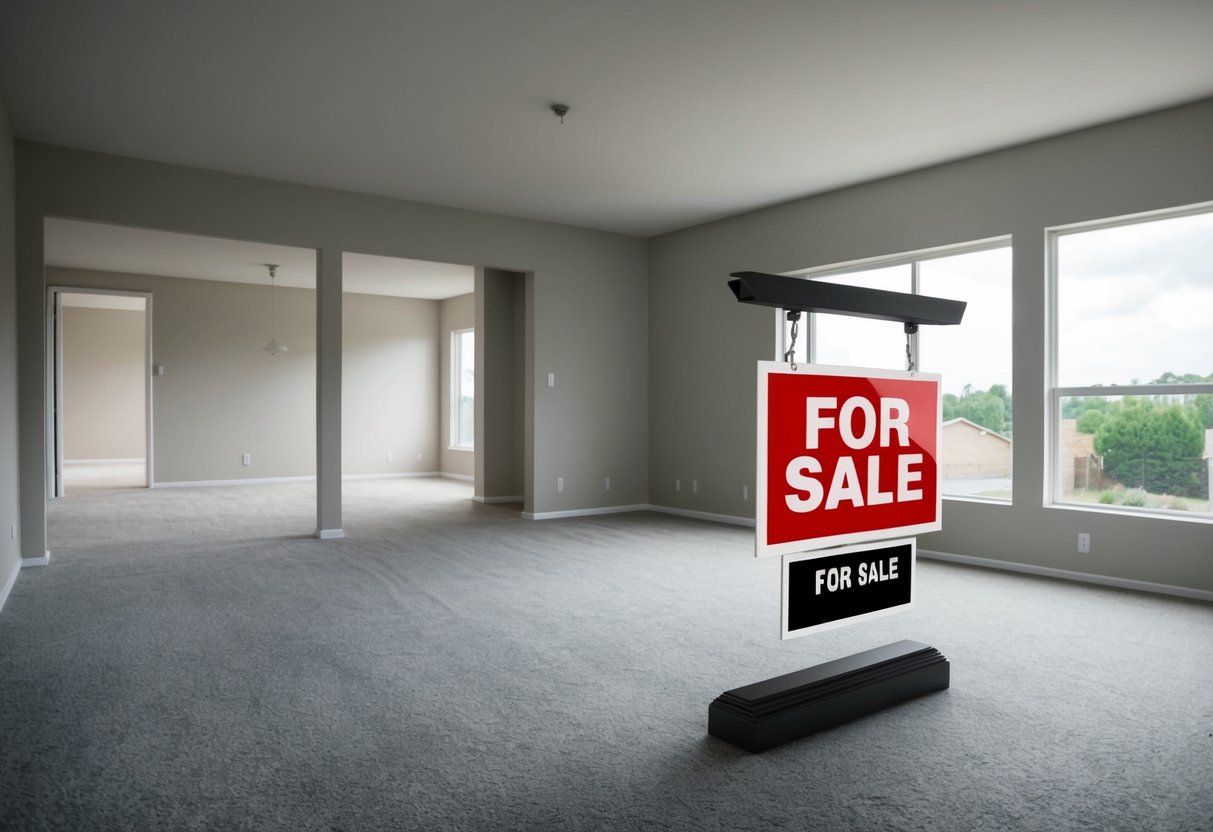
    A deserted open house with empty rooms, a "For Sale" sign, and a lack of foot traffic, contrasting with a bustling online real estate marketplace

    Buyer preferences have shifted dramatically in recent years. We’ve seen new priorities emerge that are reshaping how people shop for homes.

    Shift to Work-from-Home Culture

    The rise of remote work has changed what buyers look for in a home. Many now need dedicated office space.

    This has made open floor plans less appealing to some buyers.

    We’re seeing increased demand for homes with separate rooms. Buyers want spaces they can use as home offices. They also want areas for kids to do schoolwork.

    Privacy has become more important too. With more family members at home during the day, having defined spaces helps reduce distractions.

    Demand for Defined Spaces

    Open-concept layouts are losing some popularity. Buyers now often prefer homes with more defined areas for specific purposes.

    We’re noticing a trend towards separate living spaces. This includes dedicated dining rooms, playrooms, and home gyms.

    First-time buyers especially value flexibility in how they use their space. They want rooms that can serve multiple functions as their needs change over time.

    Defined spaces also offer more privacy. This is crucial for households where multiple people may be working or studying from home simultaneously.

    Technological Advancements in Real Estate

    A modern, sleek real estate office with virtual reality headsets on display, a digital floor plan projected on the wall, and a futuristic holographic model of a home

    New tech has changed how people buy and sell homes. These tools make it easier to view properties and connect with agents online.

    Online Listings and Virtual Tours

    Virtual tours let buyers explore homes from anywhere. We can click through 360-degree views of each room. This saves time and narrows down options before visiting in person.

    Zillow and other sites offer detailed listings with lots of photos. We can see home prices, tax history, and neighborhood info all in one place.

    Many listings now include video walkthroughs too.

    These online tools mean fewer people need to attend open houses. Buyers can do most of their research from home.

    Real Estate Apps and Tools

    Apps have become key marketing tools for real estate agents. We can search listings, get price alerts, and contact agents right from our phones.

    Some apps offer 3D home tours and augmented reality features. These let us visualize furniture placement or see how natural light changes throughout the day.

    Agent rating systems help buyers find trusted professionals. We can read reviews and see an agent’s sales history before choosing to work with them.

    Data-driven tools give agents more insight into market trends. This helps with pricing homes and targeting the right buyers.

    Evolving Marketing Strategies

    A real estate sign stands alone in front of a modern house, with no visitors in sight. The sun sets in the background, casting a warm glow over the quiet neighborhood

    Real estate marketing has changed a lot. New ways to sell homes are taking over from open houses. We’ll look at two big shifts happening now.

    Private Showings Over Open Houses

    Private showings are becoming more popular than open houses. They let serious buyers see homes without crowds. This gives them more time to look around and ask questions.

    Real estate agents can focus on each buyer’s needs. They can point out features that matter most to that person. This personal touch often leads to better results.

    Private showings also keep the home safer. Only pre-screened buyers come in. This cuts down on nosy neighbors or thieves who might show up at open houses.

    Targeted Online Marketing

    The internet has changed how we sell homes. We now use online tools to reach the right buyers faster. This is often more effective than open houses.

    Social media ads can target people looking to buy in specific areas. Virtual tours let buyers see homes from anywhere. This saves time for both buyers and sellers.

    Online listings with great photos and details work 24/7. They reach more people than a few hours of open house ever could. Buyers can look at homes any time that works for them.

    Email marketing helps keep interested buyers updated. We can send new listings or price changes right to their inbox. This keeps the home fresh in their minds.

    Safety Concerns and Health Regulations

    An empty open house with a "For Sale" sign, caution tape, and a list of health regulations posted on the door

    Open houses face new challenges due to safety worries and health rules. These issues have changed how real estate agents and buyers interact during home viewings.

    Implications of COVID-19

    COVID-19 has greatly impacted open houses. Many areas banned open houses or put strict limits on them. We’ve seen a shift to virtual tours and private showings.

    Agents now must follow health guidelines. This includes cleaning, social distancing, and limiting the number of people inside. Some places require masks and health forms.

    These changes make open houses harder to run. They also make buyers less likely to attend. Many prefer safer options like video tours or one-on-one visits.

    Personal Safety and Privacy

    Open houses can put agents at risk. The National Association of Realtors found that 33% of agents feared for their safety in 2019. Open houses were named as a common worry.

    Agents often work alone at these events. This can lead to dangerous situations with strangers. Some have started using buddy systems or security measures.

    Privacy is another big concern. Open houses let anyone walk through a home. This can feel invasive for sellers. It also raises worries about theft or property damage.

    We’ve seen a trend towards more private showings. These give more control over who enters the home. They also let agents focus on serious buyers.

    Market Dynamics and Homebuyer Behavior

    A quiet street with a "For Sale" sign outside a modern home. Few people are entering the open house, while others walk past without stopping

    The real estate market is shifting. We’re seeing changes in how people look for homes and what they want. These shifts are making open houses less important than before.

    Inventory Fluctuations and Buyer Urgency

    The number of homes for sale changes a lot. When there aren’t many homes, buyers act fast. They don’t wait for open houses. They make offers quickly to beat others.

    In hot markets, homes sell in days. Open houses happen after the home is already sold. This makes them pointless for serious buyers.

    When there are more homes, buyers take their time. They look online first. Open houses become less urgent. Buyers pick the homes they really want to see in person.

    Homebuyer’s Search for Convenience

    People want easy ways to see homes. Open houses have set times. This doesn’t always work for busy buyers.

    Online tools are changing how we shop for homes. Virtual tours let buyers see homes anytime. They can check out the layout and natural light from their couch.

    Many buyers, especially first-time buyers, start online. They narrow down their choices before visiting in person. This makes open houses less needed.

    Private showings are more popular now. Buyers can take their time and ask questions. They don’t have to share the space with other lookers.

    Frequently Asked Questions

    An empty open house with a "For Sale" sign, surrounded by overgrown grass and a deserted street

    Open houses are changing.

    New options and market shifts affect how homes are shown and sold.

    What are the emerging alternatives to open houses in the real estate market?

    Virtual tours are becoming more common.

    Buyers can view homes online from anywhere.

    3D walkthroughs and video tours give a good sense of the space.

    Private showings are another option.

    Buyers get one-on-one time with the agent. This allows for more focused and personalized tours.

    How do virtual tours compare to traditional open houses in terms of effectiveness?

    Virtual tours reach more people.

    They’re convenient for out-of-town buyers. But they lack the in-person feel of open houses.

    Virtual options save time for serious buyers.

    They can narrow down choices before visiting in person. This makes the process more efficient for everyone.

    What factors contribute to homeowners opting out of open houses nowadays?

    Privacy is a big concern.

    Many sellers don’t want strangers in their home. Safety worries also play a role.

    Time and effort are factors too.

    Preparing for open houses can be stressful. Some sellers prefer more targeted showings.

    How has the role of digital marketing impacted the frequency of open houses?

    Online listings have changed the game.

    High-quality photos and virtual tours attract buyers. These tools often replace the need for open houses.

    Social media and email marketing spread the word fast.

    Agents can reach more potential buyers without physical events.

    What safety concerns are associated with open houses for sellers and agents?

    Theft is a worry at open houses.

    Valuable items might be stolen. Personal information could be compromised.

    Agents face risks too.

    Working alone with strangers can be dangerous. Many prefer scheduled showings for safety.

    Could a shift in buyer behavior be influencing the decline of open houses?

    Buyers today often start online. They research neighborhoods and homes before visiting.

    This makes open houses less necessary.

    Serious buyers prefer private showings. They want undivided attention from the agent.

    Open houses can feel too casual for making big decisions.

  • 4 Innovative Ways to Manage Your Real Estate Portfolio So You Can Focus

    4 Innovative Ways to Manage Your Real Estate Portfolio So You Can Focus

    Given the fact that the US housing deficit is now well over 4.5 million homes, real estate remains one of the leading investments for most Americans. According to a recent study, 34% of respondents say they consider real estate as the soundest long-term investment. This puts it ahead of other investment options like gold, stocks, or even traditional savings accounts.

    That said, making the most of real estate properties can be easier said than done. After the acquisition, you’ll have to consider numerous factors, such as how to retain their value over time, ensure that they make money rather than drain it, and keep them market-relevant. This is tricky enough to do on its own, but more so when you’re managing an entire portfolio. Over time, it may even feel like you have to stretch yourself thin just to manage your real estate assets properly. Thankfully, there are simple but effective ways you can do this without sacrificing your investments or your focus on other interests.

    Virtual property staging

    Staging is an important aspect of managing any portfolio since it can heighten the chances of a buyer or tenant showing real interest in your properties. This is understandable since staging can significantly improve how well a space resonates with its market. However, staging for multiple real estate assets is not only time-consuming but also costly.

    Consequently, it’s worth investigating more flexible and timely alternatives, as we discussed in our article. A service that we also offer here on Phixer, this innovation digitally alters a space to improve its appearance. Available for as little as $10, virtual staging is customizable and more practical, so you can literally do this across as many properties as you’d like in your portfolio. This means that you don’t even have to worry about things like styling each property independently, sourcing goods for each space, or maintaining the integrity of each setup.

    Landscape maintenance contracts

    Just as you have staging for inside your property, you also need landscaping on the exterior to safeguard real estate value. Unlike interiors, which can be enhanced virtually, though, you will need to invest in real-life landscaping since this much of your property is more visible even to regular passers-by. Understandably, this can feel a bit intimidating across a portfolio since you may need to work with several landscapers for different projects for varying asset needs. 

    In light of this, signing onto a landscape maintenance contract is extremely helpful. Service provider Turfscape explains that these contracts typically run between one to three years and can be tweaked in line with your property needs, personal taste, and budget. With this, you can rest assured that each property is still visually appealing and less likely to cause exterior-related liabilities, even without your constant check-ins.

    Automated payment scheduling

    Among the best ways to optimize your portfolio is to either sell them via payment plans while the market is in a good spot or rent them out. Since these both involve you receiving long-term payments, you can look forward to making money off your portfolio for an extended period, regardless of how the market may dip.

    To stay on top of these payments and all the nuances each of these setups may entail, it helps to turn to automated payment scheduling software instead of manually handling them. If you look at the enterprise revenue management software from SOFTRAX, this kind of innovation automates all aspects of complex billing with consideration for dynamic pricing, contract management renewal, and revenue recognition, to name a few. Through this, you don’t have to worry about individually chasing payments from tenants or real estate payment plan buyers. Instead, bills are immediately sent and processed during a predetermined date, so your portfolio retains a steady cashflow.

    Digital property tax solutions

    Property taxes are among the most tedious aspects of real estate, which is only bound to get more complicated with multiple properties. After all, each one may have different factors that affect its taxability. Unfortunately, if you don’t stay on top of this, you’re liable to hefty fines and it may affect your credit and real estate reputation down the line.

    The good news is that there are ways to streamline property tax management, such as the Payment Plan Calculator’s digital property tax solutions. Designed to help residents navigate and compute their incremental property taxes, this tool helps minimize payment mishaps while enhancing compliance. As such, it can also prevent any properties from being accidentally overlooked and seized due to faulty taxes, which is a real risk for those who handle larger portfolios.

    For more on real estate, please visit the rest of the blog at Phixer.